Chapter 7 英文时态(一):一般时态
7.2 一般现在时态——并非表示现在
7.2 一般现在时态——并非表示现在
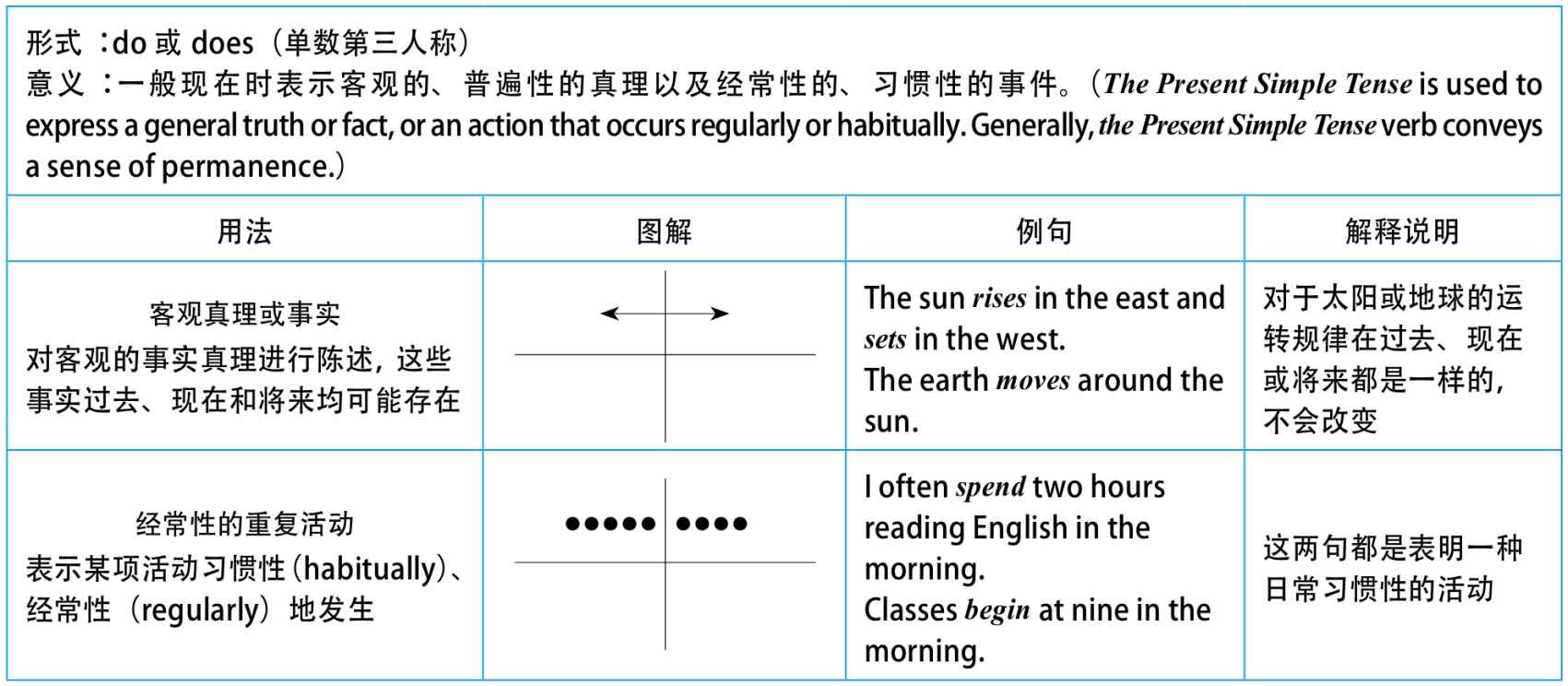
一般现在时态并非只表示“现在”。确切地说,一般现在时本质的思维特征是:表示从过去到现在直至将来的一段时间内发生的动作(action)或存在的状态(state)。也就是说,这些动作或状态的发生不限于某个特定的时间,它们可发生于任何时间,包括现在、过去和将来,这一段时间可以近乎无限长(如表示客观真理),也可以是人们生活中的一段时间(如人们的习惯活动)。因此,一般现在时态通常被描述为有两种基本用法:表示客观真理,以及表示习惯活动。具体来说,我们可用一般现在时来表示:1. 不受时间限制的科学事实、客观真理、谚语格言,以及用于概括、结论、观点等;2. 表示人们日常生活习惯及重复活动。
对于这两种用法,我们先简单地图解如下:
7.2.1 用法一:表示普遍的事实或真理(expressing a general truth)
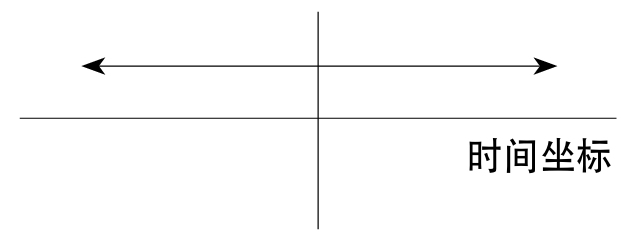
表示不受时间限制的科学事实、客观真理、谚语格言,以及用于概括、结论、观点等。此时,这些动作或状态的发生不限于某个特定的时间,即它们可发生于任何时间,包括现在、过去和将来。如下图所示:
图解
比如下面这些科学常识或谚语:
1 Water freezes at 32 Fahrenheit and boils at 212 Fahrenheit. 水在华氏32度结冰,在华氏212度沸腾。
2 Water consists of hydrogen and oxygen. 水由氢和氧两种元素组成。
3 The sun rises in the east and sets in the west. 太阳东升西落。
4 The world is round. 世界是圆的。
5 The earth moves around the sun. 地球绕着太阳转。
6 Knowledge is power. 知识就是力量。
7 Opportunities always favor the prepared minds. 机会总是青睐有准备的人。
8 Great minds think alike. 英雄所见略同。
我们再来看下面这个故事,它告诉我们该如何面对生活中的困难和挫折。通过这个故事,我们来了解一般现在时态的第一个基本用法——表示不受时间限制的科学事实、客观真理、谚语格言。
9
The Farmer and the Donkey
One day a farmer's donkey fell down into a well. The animal cried piteously for hours as the farmer tried to figure out what to do. Finally he decided the animal was old and the well needed to be covered up anyway, it just wasn't worth it to retrieve the donkey. He invited all his neighbors to come over and help him. They all grabbed a shovel and began to shovel dirt into the well. At first, the donkey realized what was happening and cried horribly. Then, to everyone's amazement, he quieted down. A few shovel loads later, the farmer finally looked down the well and was astonished at what he saw. With every shovel of dirt that hit his back, the donkey was doing something amazing. He would shake it off and take a step up. As the farmer's neighbors continued to shovel dirt on top of the animal, he would shake it off and take a step up. Pretty soon, everyone was amazed as the donkey stepped up over the edge of the well and trotted off!
Life is going to shovel dirt on you, all kinds of dirt. The trick to getting out of the well is to shake it off and take a step up. Each of our troubles is a stepping stone. We can get out of the deepest wells just by not stopping, never giving up! Shake it off and take a step up!
Remember the five simple rules to be happy:
1. Free your heart from hatred.
2. Free your mind from worries.
3. Live simply.
4. Give more.
5. Expect less.
农夫和他的毛驴
我们看到,这个故事分前后两段,作者在第一段讲故事时,因为是在讲述过去的事情,所以用了一般过去时(详见7.3节)。在第二段,作者说明了这个故事给我们带来的启示和人生感悟——每一次挫折、失败或痛苦都是我们成长中的垫脚石(Each of our troubles is a stepping stone.),以此来对这个故事的寓意进行评述和总结。此时作者就用了一般现在时,因为这些有关人性的东西是不会因世事变迁而改变的,即没有时间的限制,这正是一般现在时的思维用法。
虽然现在科技如此迅猛地发展,但很多人性的情感不会改变——为亲人故去而哭泣、为年华易逝而怅惘、为爱情而神魂颠倒……这些情感表现,无论是在遥远的《诗经》《楚辞》的年月,还是在即将到来的智能时代,都不会有太大的区别。所以,在表达这些恒久的事物时,我们都得用一般现在时态。这篇短文让我们懂得了该如何面对生活中的困境,那就是Never give up, shake it off and take a step up!
面对顺境或逆境、成功或失败、幸福或不幸等等,人们总结出了很多能够经得起时间考验的人生智慧:谚语、格言、名言、警句,这些都是不受时间限制的,所以在表达时我们均要使用一般现在时。比如,上面这篇短文在最后告诉我们“幸福人生的五个原则”:
Remember the five simple rules to be happy:
1. Free your heart from hatred.(心无仇恨。)
2. Free your mind from worries.(胸无焦虑。)
3. Live simply.(生活简单。)
4. Give more.(积极奉献。)
5. Expect less.(不要贪求。)
因为这些“幸福要诀”永远不会过时,所以当然要用一般现在时了!
再比如,在当今“知识经济(knowledge-based economy)”的时代,“知识就是力量”是我们常常听到的一句话。殊不知,这句格言是早在四百多年前,由英国著名的唯物主义哲学家和科学家弗兰西斯·培根(Francis Bacon, 1561~1626)第一个提出的。这句话他是这么说的:
10 Knowledge is power.
我们看到,虽然这句话是在久远的过去提出的,但依然用了一般现在时,因为它在今天依然适用。
不过,我觉得培根的这句话说得有点欠妥,因为知识本身并不是力量,而懂得如何运用知识,并把知识转化为生产力或是货币(transmute every bit of knowledge into power, into working capital)才是力量。所以,我觉得这个意思可以这样表达:
Knowledge is power only when it can be made available and practical.
2008年是中国的“奥运年”。读者也应该看到过奥运会的开幕式,我们现在来看看下列关于奥运会开幕式的一般性介绍:
11 The opening ceremony of the Olympic Games includes a parade of all the national teams through the main stadium. It also includes the end of the torch relay, which begins when the torch is lit in Olympia, Greece, several weeks or months before the games and is carried from there to the host city by a series of runners. The last runner lights the Olympic Flame in the main Olympic stadium, and the host country's head of state declares the games officially open.
妙语点睛 这类介绍性的文字,一般都是表示规律性的活动,同样不受时间的限制,故而要用一般现在时。
最后,正如我们在前文中说过的,在表达概括、总结、个人观点时,我们也都是用一般现在时态。下面这段由美国著名小说家赛珍珠(Pearl S. Buck, l892~1973)对我们国人所作的评价不能不让你我谨记:
12 Nothing and no one can destroy the Chinese people. They are relentless survivors. They are the oldest civilized people on earth. Their civilization passes through phases but its basic characteristics remain the same. They yield, they bend to the wind, but they never break.
[注:赛珍珠,本名珀尔·赛登斯特里克·布克(Pearl Sydenstricker Buck)。赛珍珠是她自己起的中文名字。她出生于美国,刚满三个月便被父母带到中国镇江,前后在中国一共度过了40年的时光。她自己曾说过:“我一生到老,从童稚到少女到成年,都属于中国。”她在1931年出版的关于中国农村题材的长篇小说《大地》(The Good Earth),为她赢得了1932年的美国普利策文学奖和1938年的诺贝尔文学奖,因此成为美国第一位获得此双奖的女作家。赛珍珠一直宣称汉语是她的母语,中国是她的第二祖国,镇江是她的中国故乡。]
思维总结
这里主要讨论了一般现在时表示不受时间限制的科学事实、客观真理、谚语格言,及用于概括、结论、观点等的用法,因为这些动作或状态的发生不限于某个特定的时间,即它们可发生于任何时间,包括现在、过去和将来。从这个意义上看,一般现在时并非表示“现在发生”的动作或状态,这是一般现在时态最基本的思维特征。
接下来我们将讨论一般现在时用于表示人们的日常习惯或重复活动的用法。
7.2.2 用法二:表示重复活动(expressing a regularly occurring event)
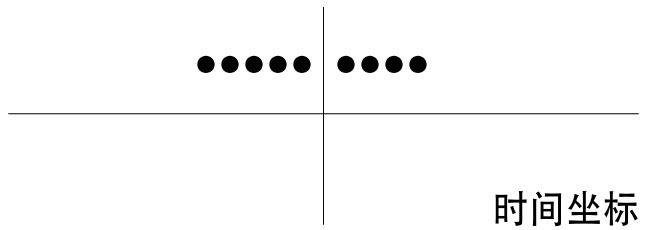
表示经常发生的、习惯性的动作(action)或者是存在的状态(state)。如下图所示:
一、表示习惯的动作
1 He often goes to the gym. 他经常去健身房。
2 I go to the gym twice a week. 我每周去两次健身房。
3 He walks to school every day. 他每天步行去上学。
二、表示习惯的状态
4 I like rice for dinner. 我晚餐喜欢吃米饭。
补充:这一用法常和一些表示动作频率的时间副词连用。
1. 表示肯定的频度副词有:always, frequently, usually, sometimes, generally, occasionally和often等。
2. 表示否定的频度副词有:never, seldom和rarely。
3. 表示频度的副词短语有:once a week, twice a year和on alternate days等。
不过,在应用上述这些副词时,要注意以下几点:
1. 它在句子中的位置通常是:在be动词后、实义动词前。
5 He is always late. 他总是迟到。
6 He always goes to school by bike. 他总是骑自行车上学。
2. 上述否定副词不能再与否定助动词(如don't等)连用。
7 1) He doesn't seldom come late. *(一般不这么说)
2) He seldom comes late. 他几乎从不迟到。
3. 这些副词一般放在否定助动词前,always除外。
8 The history lectures sometimes aren't interesting. 关于历史的讲座有时很没意思。
9 His wife complains that he sometimes doesn't listen to her. 他的妻子抱怨,说他有时候不注意听她说话。
10 He doesn't always leave before 6 o'clock. Sometimes he works until 7 o'clock.
他并不总是在6点钟之前下班,有时他会工作到7点。
我们来看一篇关于口腔保健的短文。对于口腔保健,相信大家首先想到的就是每天必做的“刷牙运动”。但除此以外,读者还能想到其他的口腔健康卫生习惯吗?看完下面这篇关于口腔清洁的短文,大家一定会更全面地了解口腔保健知识:
11 A set of healthy teeth attracts people to your smile. Good oral hygiene helps us to keep our teeth and mouth healthy. So work on these oral habits now:
Brush your teeth at least twice a day, and spend at least 2 to 3 minutes brushing your teeth. Use a soft-bristle toothbrush that will not scratch your gums. Replace the toothbrush every 3 to 4 months.
Floss your teeth once a day. Proper flossing removes the plaque that grows in between your teeth that brushing cannot reach. Flossing also improves blood circulation in the gums.
Clean your tongue at least once a day. It only takes 10 or 15 seconds each time.
Finally, visit your dentist once in every 6 months. He will clean your teeth more thoroughly so that your teeth will stay cleaner and last longer. Dental checkups can detect early signs of oral health problems so that proper treatment can be given to prevent further damage to your teeth.
我们注意到,上述短文中频繁地使用了一般现在时来介绍“口腔清洁运动”。比如上文中黑体部分的句子:
1) Brush your teeth at least twice a day.
2) Replace the toothbrush every 3 to 4 months.
3) Floss your teeth once a day.
4) Clean your tongue at least once a day.
5) Visit your dentist once in every 6 months.
这些都表示日常的重复活动,并且还明确给出了重复发生的频率,如twice a day, every 3 to 4 months, once a day和every 6 months等。这些表示日常的习惯或重复发生的活动(regularly occurring event),我们要用一般现在时态。
思维总结
本节讨论了一般现在时态用于谈论日常生活习惯或重复活动的情况。至此,我们把一般现在时的两种最基本的用法讨论完毕。在下一节里,我们将通过对比一般现在时态和完成进行时态,帮助读者更加深入地理解一般现在时态的本质特征。
7.2.3 用法比较:表示重复活动的一般现在时态和现在完成进行时态
人们常说“生命在于运动”。的确,运动健身不仅能使我们保持身体健康、体形健美、精力充沛,更重要的是运动锻炼能帮助我们缓解精神压力,带来身心上的愉悦。上一节中讲过的“口腔清洁运动”其实并不是我们习惯意义上的真正的运动,下面我们就一起了解一下一种非常“酷”的运动——冬泳(winter swimming)。
1 Winter swimming is a popular hobby in many countries. Its popularity is growing all the time. Swimming in a hole in the ice is refreshing and fun. Most of us think that taking winter swimming would make us catch a cold. This is not true. Die-hard(热衷的) winter swimmers say that the water doesn't feel cold at all. They also say that it helps to relieve stress and improve the blood circulation.
我们看到,由于是对一项运动的一般性介绍,并没有时间限制,所以这里都使用了一般现在时态(除了一个情态动词would以外)。一般现在时表示“动作或状态的发生不限于某个特定的时间,它们可发生于任何时间,包括现在、过去和将来”。为了让读者更深刻地理解一般现在时态的这一特点,我们现在来比较下面两个句子:
2 1) I swim 1,000 meters every afternoon.
2) I have been swimming 1,000 meters every afternoon.
妙语点睛 例句1)和2)的差别就在于谓语形式不同。也许会有读者把这两句都译成“我每天下午游1,000米”,如果真是这样,那这两句话就没有区别了。其实不然。我们把例句1)添上更完整的语境说成:I like winter swimming. I swim 1,000 meters every afternoon.(我喜欢冬泳,现在每天下午游1,000米。)
这里用一般现在时swim,我们是指昨天以前是swim 1,000 meters,今天也是swim 1,000 meters,明天以后还是swim 1,000 meters。我们可以用下图示之:
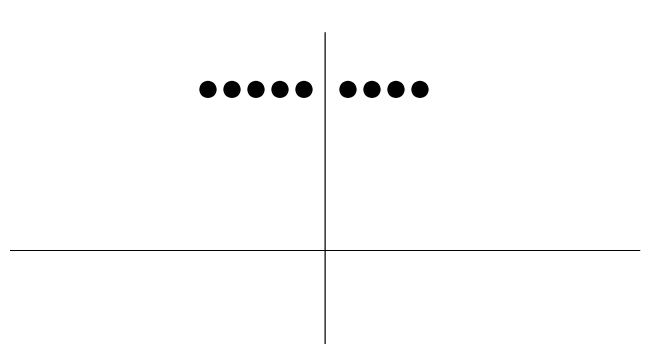
至于何时开始swim 1,000 meters或何时将结束swim 1,000 meters,则并不是一般现在时能够表达出来的,即一般现在时态无法向我们展示一个明确具体的时间段。
对于例句2):I have been swimming 1,000 meters every afternoon.
这句话又该如何理解呢?我相信,看到这一句时很多读者一定有点困惑了,无法真正理解句中的have been swimming这种动词形式所要表达的真正含义。其实,不同于一般现在时,完成进行时是能够表示明确的时间段概念的,这个时间段就是“从过去一直到目前为止”。如下图所示:
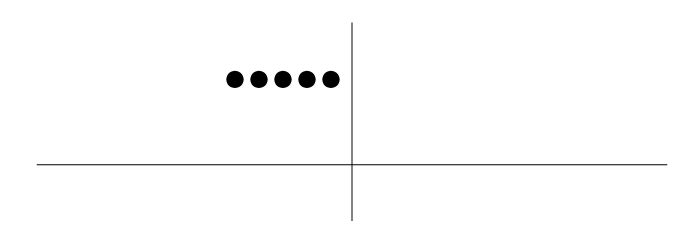
所以这句话要理解成“到目前为止,我是每天下午游1,000米”。在这里我们加上了“到目前为止”来对应翻译英文的语言标记have been doing这一动词变形,来潜含一个较为明确的时间段。这句话的意思是,也许“我”打算以后改变一下游泳锻炼的计划,比如说“我”决定游得更长些:
I have been swimming 1,000 meters every afternoon, but I think I'll make it a little longer later.
在这样的上下文语境中,我们就不能说:
I swim 1,000 meters every afternoon, but I think I'll make it a little longer later. *
此外,有时说话人还会加上具体的时间状语来表明一项活动在具体多长的时间段内重复。比如下面两位冬泳爱好者的故事:
3 I have been winter swimming for about four years. There are about one hundred winter swimmers in our city. Most of them are male swimmers, but also several female swimmers like me. I am so happy and proud of my winter swimming.
4 I have been winter swimming since 1984. I believe it is good for your health, but you need to start it carefully. We advise you to start your swimming in summer and keep on it. To start winter swimming, you need a cold dip almost every day, so that you can get used to cold. If you swim regularly in cold water, you won't feel so cold and you will enjoy the health benefits. Go for it! It's wonderful.
我们看到,在这两位冬泳爱好者的陈述当中,都有一个非常明确的表示到目前为止的时间段,即for about four years和since 1984。此时我们就不能用无法表明时间段的一般现在时说成:
I winter swim for about four years. *
I winter swim since 1984. *
综上所述,一般现在时是在泛泛地谈时间,并没有时间段的概念;而完成进行时表示说话人的脑子里会有一个“到目前为止”的时间段的概念,甚至是给出像for about four years这样一个明确的时间段。通过这样的对比,相信读者朋友对一般现在时应该有了一个更深入的理解,而不会再误认为一般现在时就是表示“现在”的动作了。
需要顺便提及的是,关于完成进行时的详细用法,我们将在《英语语法新思维中级教程——通悟语法》中讲解。
思维总结
本小节主要是通过对比一般现在时态与现在完成进行时态,来进一步阐明一般现在时所表示的动作或状态发生的时间“不限于某个特定的时间,它们可发生于任何时间,包括现在、过去和将来”这一最本质的特征。
以上是一般现在时最为常见、最普通的用法,除此之外,一般现在时还有如下一些用法:
7.2.4 用法三:一般现在时表示正在发生的动作
在某些特定的场合,我们可以用一般现在时表示正在发生的动作。具体阐述如下:
一、一般现在时态用在以there或here开头的句子中,表示目前的短暂动作
请看例句:
1 Here comes your wife.
妙语点睛 这里显然是说话人看到your wife正在走过来,然后说的这句话,即表示正在发生的动作。在这个结构中不能用现在进行时态,不能说“Here is coming your wife.”* 可以说“Your wife is coming.”。但是,此时的进行时是表示将来的动作,所以这句话的意思是:你妻子很快就要过来了。
同样道理,下面这句话中的一般现在时态是表示正在发生的动作:
2 There goes our bus; we'll have to wait for the next one.
妙语点睛 这句话是说话人看着自己要搭乘的车正在开走时说的。同样,在这个结构中不能用现在进行时态,说成“There is going our bus.”*
二、表示现在瞬间的动作(instant actions)
这个瞬间动作是说话人在说话的同时即刻发生的。这只适用于表达动作的动词,表示对一些动作的解说,比如:球赛解说、剧情介绍、解释自己正在做的事情、给别人一边说一边做的示范动作等等。请看例句:
3 Michael passes to Clint. Clint to Jack, Jack back to Clint—and Clint shoots—and it's a goal!
妙语点睛 这是球赛的解说,表示在说话时刻正在发生的动作。
4 The woman is a spy, now she enters the room, opens the drawer, takes out a pistol and slips it into her pocket.
妙语点睛 这是剧情说明。
5 I select an album, remove the record from its cover and put it on the turn table.
妙语点睛 这是解释自己正在做的动作。这里是表明“我”选择听什么音乐(I choose music to listen to.)。
6 Watch carefully. First I pick up the receiver, dial the number I want, then drop the coin into the slot as required.
妙语点睛 这是表示动作示范,说明的动作是教别人怎么打投币电话(I try to make a call.)。
7.2.5 用法四:一般现在时表示将来发生的动作
在某些特定的场合,一般现在时态有时可表示将来发生的动作。具体阐述如下:
一、用在条件状语从句和时间状语从句中
主要用在条件状语从句(if和unless)和时间状语从句(when, as soon as, before和after等)中,表示将来的动作。请看例句:
1 Please let me know when he comes back. 他回来时请告诉我。
2 What are you going to do when you leave school? 你毕业以后想要干些什么?
3 I'll be glad if she comes over to visit me. 如果她来看我,我会很高兴。
4 I'll give the book to him as soon as I see him. 我一见到他就会把书给他。
5 I will get everything ready before you come back. 你回来之前我会把所有的东西都准备好。
上述从句中的动作come和see均是将在未来发生的,但要用一般现在时表示将来。不过若从句的动作含有“意愿”的意思,则从句中可用will。请看例句:
6 If you will give me a hand with these books, I'll appreciate it. 如果你愿意帮我拿这些书,我将非常感激。
7 If they will not accept a check, we shall have to pay in cash, though it would be much trouble for both sides.
要是他们不愿意接受支票,我们就只好用现金支付,尽管这样会给双方带来不便。
8 If you will continue to fight, the victory will certainly be yours.
要是你们愿意继续斗争下去,就一定会取得胜利。
二、在谈到未来的计划和时间安排表的时候,表示将来的动作
此时句中的动词往往是表示短暂性动作的动词,如go, come, leave, start和move等。请看例句:
9 The train starts at 2 o'clock. 火车两点钟开。
10 We move next week. 我们下周搬家。
11 They leave for Shanghai by train tomorrow evening. 他们明晚出发去上海。
三、在从句中表示将来的动作,此时主句往往用了一个将来时
请看例句:
12 I will reward the person who finds my lost kitten. 我将酬谢找到我丢失的猫的人。
13 I will give the booklet to whoever asks for it. 谁来索取这个小册子,我就把它给谁。
7.2.6 用法五:一般现在时表示过去发生的动作
在某些特定的场合,一般现在时还可表示过去发生的动作。具体阐述如下:
一、表示死者的理论、著作等
因为这些理论、著作到现在仍有效;或表示一些名人名言。请看例句:
1 In The Sociology of Science, now considered a classic, Robert Merton discusses cultural, economic, and social forces that contributed to the development of modern science.
在《社会科学》这部经典著作里,罗伯特·默顿从文化、经济及社会等方面阐明了推动现代科学发展的力量。
2 R. Descartes says that the reading of all good books is like a conversation with the finest men of past centuries.
笛卡尔说过,阅读好书就好比是同过去几个世纪中最杰出的人物交谈。
3 Francis Bacon says, “Reading makes a full man; conference a ready man; and writing an exact man.”
弗朗西斯·培根说:“读书使人充实,讨论使人机智,写作使人准确。
二、引用书刊、报纸、通知或新近收到的信件的内容时
请看例句:
4 The newspaper reads, “The criminal who killed eight women has been executed.”
妙语点睛 这里的reads其实是表示过去的,因为显然是说话人看过the newspaper之后才说了这句话。
5 The sign on the washing machine says, “Out of Order.”
妙语点睛 这里的says其实是表示过去的,因为显然是说话人看过the sign之后才说了这句话。
7.2.7 用法六:一般现在时代指现在完成时
在口语中,可以用一般现在时代指现在完成时。能这样使用的动词不多,通常有:hear, find, see, learn, tell和read等。请看例句:
1 I am(=have been) informed that you have been there. 有人告诉我,你去过那里。
2 I hear(=have heard) that he has left Beijing. 我听说他已经离开北京了。
3 I hear(=have heard) you're getting married. 我听说你要结婚了。
4 I hear(=have heard) you've been busy lately. 我听说你最近很忙。
5 I see/find(=have seen/found) that you have your hair cut. You look terrific! 我发现你理发了。你看上去棒极了!
6 I read(=have read) in the newspaper that the criminal who killed eight women has been executed.
我在报纸上看到,杀害八名妇女的那个罪犯已经被处决了。
用动词的适当形式填空。
1. Vegetarians ______(not, eat) meat.
2. An atheist ______(not, believe) in God.
3. Constant dripping ______(wear) away a stone.
4. I ______(go) to the gym every five days.
5. I ______(go) to the gym every five days, but I think I'll make it every other day later.
6. A: I ______(run) a mile every afternoon for the past month, but I still haven't been able to lose more than a pound or two. I wonder if it's worth it.
B: Oh, don't give up now. It always ______(seem) hard when you are just starting out.
7. Okay, so you ______(stick) to your New Year's resolution and ______(go) to the gym on a regular basis. But wait! Are you eating and drinking the right things at the right time in order to maximize your efforts?
8. The stock market ______(rise) and ______(fall) as its internal feature.
9. John ______(always, not, go) to school late. That is to say, he ______(sometimes, attend) school late. He ______(be, generally) a good student. He ______(be, always) ready to help others.
10. I ______(get) up at seven o'clock every morning.
11. I ______(get) up at seven o'clock every morning, but I think I'll get up earlier from now on.
12. He ______(often, go) to movies with Nancy on weekends.
13. You ______(go) with Nancy for over three years now. Why don't you pop her the question?
14. If it ______(rain) tomorrow, we'll have to put off our sports meet.
15. The front page of a newspaper ______(contain) the most important news of the day.
16. The mother ______(often, take) her son to school before she ______(go) to work.
17. Watch carefully. First I ______(pick) up the receiver, ______(dial) the number I ______(want), then ______(drop) the coin into the slot as required.
18. Darwin ______(originate) the theory of evolution and ______(differ) from the Bible on the creation of the world.
19. Look! Here ______(come) your boyfriend!
20. A: Look! It ______(snow).
B: It's wonderful! It ______(snow, not) in my hometown.
21. A: When ______ you ______(often, get) up in the morning?
B: I ______(usually, wake) up at 6: 30 and then ______(stay) in bed until 7: 00 o'clock.
A: Then what?
B: Then I ______(put) on my clothes. I ______(eat) breakfast.
A: ______ you ______(always, eat) breakfast?
B: Yes, ______. I think that's good for your health.
A: What ______ you ______(often, have) for breakfast?
B: Bread and some milk.