过去分词
1 关于过去分词的几个问题
1 关于过去分词的几个问题
有一些读者来信问到一些关于过去分词的问题,现让我们逐个讨论如下:
第一个问题是:在报纸上看见一句话,说某某人是 a screenwriter turned director。有人说过去分词 turned 不是来自及物动词,而是来自不及物动词,就像 a faded flower 中的 faded 一样,这样看对吗?英语里是不是有很多这样来自不及物动词的过去分词?
问中所引的 a screenwriter turned director等于 a screenwriter who has turned director,所以这里的过去分词 turned 的确是由不及物动词 turn 变来的。在语法中,我们管这种过去分词叫做不及物过去分词或主动过去分词,以区别于及物过去分词或被动过去分词 。这一类过去分词虽然为数不多(远不如及物过去分词多),但却值得国内学生注意。现再举一些例句如下(句中划线的词即是不及物过去分词):
(1)There's a girl fainted .
(2)He is mistaken .
(3)He sat down, eyebrows risen .
(4)You must be a goddess come down to the earth.
(5)She had to go to see a former patient become a friend.
(6)The fields were grown parched and yellow.
(7)Be gone !
(8)He's the most widely travelled Pope in history.
(9)There's a lion escaped from the zoo.
其他常见的不及物过去分词还有 assembled (集合在一起的), departed (逝去的), expired (到期的), fallen (落下的、阵亡的), gathered (聚集的), huddled (蜷成一团的), retired (退休的), returned (归来的), settled (已定居的), vanished (已消失的), withered (枯萎的), run-away (逃跑了的), well-behaved (行为好的)等。
第二个问题是:我们的老师说过去分词用作形容词时,前面只可用 much 而不可用 very 来修饰。但我却见过
(10)She's very worried.
这样的句子,到底是怎么回事,请回答。
相当于形容词的过去分词之前不可用 very 来修饰,这话可能是针对初学者而说的,怕他的学生乱用 very。事实上,确有许多相当于形容词的过去分词是不可以用 very 来修饰的,因为它们还不能说等于形容词。 但这是问题的一方面。另一方面,在当代英语里,确也有一些相当于形容词的过去分词可以与 very 连用。不但已完全等于形容词的过去分词如此,尚未完全等于形容词的过去分词亦如此。前者如 advanced, conceited, contented, disappointed, distinguished, excited, frightened, interested, learned, limited, pleased, pronounced, reserved, surp rised, tired 等;后者如 alarmed, amazed, amused, balanced, bored, disturbed, divided, embarrassed, exhausted, fascinated, hurt, lined, puzzled, relaxed, satisfied, shocked, specialized, worried 等。有些过去分词既可与 very 连用,亦可与 much 连用,如下面两例中的 pleased:
(11)I'm very pleased to meet you.
(12)He seems to be much pleased with himself.
一般说来,与 much 连用的过去分词的动词性质较强,与 very 连用的过去分词则可以说已相当于一个形容词了。
第三个问题是:我在 The Jungle 一书中读到这样一句话:
(13)The young fellow had an amused contempt for Jurgis...
请问如何理解 an amused contempt?形容词 amused 怎能用来修饰名词 contempt呢?
这个问题可能有一定的普遍性。句中过去分词 amused 和 a chaste nose 的 chaste (见本书中题为《几个有关形容词的问题》一文)一样,都是将修饰人的词转移到了表其他事物的名词之上了。这种过去分词也叫做转移形容语(transferred epithets)。这种形容语在形式上虽然不直接修饰人,但实际上还是指有关的人而言的。如问题中的 amused,形式上虽然修饰名词 contempt,实际上乃是指 the young fellow 而言。全句的意思是:那个小家伙对尤吉斯有一种藐视而又觉好笑的感觉。这是一种常见的手段,现再举例如下:
(14)He interrupted his annoyed stridings to look up hopefully when his aide entered.
(15)The general stared at him in startled admiration.
(16)The boy looked up with a pleased expression.
(17)“He is dead,” said John Smith, with excited brevity.
(18)At such an episode he burst into loud, surprised laughter.
(19)He gave an inspired talk on music.
上述例句中,过去分词皆有表出的逻辑主语(即其所指的有关的人)。但有时这种用作转移形容语的过去分词在句中并没有表出的逻辑主语,这时就需要读者根据上下文或习惯用法去理解其意义,如:
(20)Seeing her crushed submission, his anger abated. (过去分词 crushed 的逻辑主语显然是 she)
(21)A considered opinion is one that has been weighed and mulled over. (过去分词 considered 在句中已得到解释)
(22)A spirit of excited optimism throbbed through every street. (excited 的逻辑主语应能从上下文中看出)
(23)Once the garrisons opened fire there was much halting, panicking, running away, and stalled confusion. (可从上下文获得过去分词 stalled 的含义。 stalled confusion 显然意谓:因受阻而引起的混乱)
(24)The real issue seemed to be the threatened consequences if they didn't talk about Iran. (这是过去分词 threatened 的一种习惯用法,意谓“用之以威胁的”,即具有威胁性的意思)
这种属于习惯用法的过去分词还有不少,再如 a decided step, a determined effort, a foregone conclusion, a troubled place, an inspired moment, guarded optimism, the blessed rain, the appointed meeting place 等皆属于这一类。
第四个问题是:在许国璋编写的《英语》第二册中,有一课文的题目是 The Devoted Friend。请问 devoted 是及物过去分词还是不及物过去分词?为什么一般都把它译为“忠实的” 呢?
这里的 devoted 是及物过去分词,但它所修饰的名词 friend 并不是它的受事者,而是它的执行者,整个题目的意思是: the friend who has devoted his life to somebody, 可直译为“献身于某人的朋友”,“忠实的朋友”是一种意译。类似的情况还有 a convinced socialist (一位坚信不疑的社会主义者),a practised man (一个技艺熟练的人), his threatened foe (对他有威胁性的敌人),a drunken man (一个醉汉)等。
第五个问题是:请问同一个过去分词放在名词之前与放在名词之后有什么区别?比如:
(25)He wants his eggs fried .
可以把这一句中的过去分词 fried 移至名词 eggs 之前吗?
一般说来,二者是有区别的。置于名词之前的过去分词往往相当于形容词,带有永久性;置于名词之后的过去分词往往带有暂时性,动词的性质较强。比如例(25), fried 置于 eggs 之后,即有较强的动词性质,在此起逻辑谓语的作用。如将 fried 置于 eggs 之前,则只有相当于形容词的定语作用。再如:
(26)On the street all was confusion. Policemen with swords unsheathed could be seen riding on horseback.
句中的过去分词 unsheathed 置于名词 swords 之后,显然表一种暂时情况。如将 unsheathed置于swords 之前,那就表示骑警们的挂刀总是处于出鞘的状态了。再请比较下面两句中的过去分词 written:
(27)He himself took all the letters written to the post.
(28)He sent a written circular, not a printed one.
例(27)中的 written 显然有时间性,意谓 which he had written;例(28)中的 written 则没有时间性了。
第六个问题是:我知道过去分词所表的动作应是已完成的,但在下一句中:
(29)The workers demand increased wages.
过去分词 increased 所表的动作并未完成,应如何解释呢?
一般说来,过去分词皆应表已完成的动作或状态,但有时亦可表尚未完成或有待未来完成的动作。例(29)中的过去分词即表尚未完成的动作。有一位语法家曾举过这样一个例子:
(30)So the two brothers and their murdered man rode past fair Florence.
他接着解释道,句中的 murdered 所表的并不是一个已完成的动作,而是一个即将去完成的动作。再看下面一句:
(31)Improved management and elimination of waste and corruption are equally important.
这里的过去分词 improved 所表的动作亦未完成。
第七个问题是:请问如何分析下列句中的分词短语:
(32)Seen in this light, the matter is not as serious as people generally suppose.
(33)Mocked at by everybody, he had my sympathy.
(34)I told them that he was my relative from Shandong, come to Beijing for a visit.
(35)Titled “Cherishing the Memory of Zhou Enlai”, the collection reflects the late premier's revolutionary activities between 1913 and 1976.
(36)Given better attention, the cabbages could grow even faster.
例(32)中过去分词短语 seen in this light 是条件状语;例(33)中的分词短语 mocked at by everybody 是让步状语;例(34)中的分词短语 come to Beijing for a visit 是主语he的补足语(或非限制性定语),例(35)中的分词短语 titled “Cherishing the Memory of Zhou Enlai”也是主语补足语。例(36)中的 given better attention,严格说来,并不是分词短语,而是表条件的独立分词结构,只不过其词序倒装了而已。
最后一个问题是:过去分词用作名词时有单、复数之分吗?有可数不可数之分吗?
过去分词,和形容词一样,也可以用作名词。我们可以把它唤作名词化的过去分词。这种过去分词不但有单数形式,也有复数形式,不但有的不可数,有的还可数。请看下列各例:
(37)She said that she was afraid of the unknown .(单形过去分词 unknown不可数)
(38)He was an outcast .(单形过去分词 outcast 可数)
(39)The dispossessed are demanding their rights.(单形过去分词 dispossessed 不可数,但有复数概念)
(40)Let bygones be bygones . (复形过去分词 bygones 不可数)
(41)He gave a series of broadcasts .(复形过去分词 broadcasts 可数)
2 这里应用“从属连词 + 过去分词”省略结构
有一读者问:如何做此选择题:
(1)Please don't turn on the radio until _____.
A. asked to B.asking to C.ask to D. to ask
应选A。因为 asked to 在此相当于 you are asked to。 until asked to 属于“从属连词+过去分词”省略结构,在英语中,尤其在书面语中,常可见到,再如:
(2)We started exchanging some words in French until stopped by the supervisor.
(3)He will come if asked .
(4)Although exhausted by the climb, he continued his journey.
(5)Some people abandoned personal and national dignity when involved in foreign contacts.
(6)Her car got three bumps while parked in London.
短语从属连词亦可用这种省略结构,如:
(7)She regretted it as soon as uttered .
(8)In order to avoid going deep into the forest the boys worked near at hand on any fallen wood no matter how tangled with new growth.
3 finished何意?
有一读者问: 有这样一句话:
I'll be finished at seven o'clock.
书上译为“我将于7点完成工作”,但是否也可译为“我7点钟将要完蛋了。”?
finished译作“完成”还是“完蛋”,应取决于上下文。英语中常说“There is no text without context.”, 讲的就是这个意思。
4 这里的fit是美国英语
有一读者问: 有这样一道选择题:
(1)The tailor had had the new suit_________me before I paid.
A. having on B. dressed by
C. wearing D. fit on
答案是D,为什么这里用fit on而不用fitted on?
这里用fit是美国英语,因为在美国英语中, fit的过去分词可以不变,仍是fit。这里用fit on而不用fitted on的另一原因可能是:人们多用have something fitted on something else表“将某物安装在另一物之上”, 如:
(2)We had a new lock fitted on the door.
5 这里须用过去分词 fixed
有一读者问:有这样一道选择题:
(1)The programme was so exciting that the children kept their eyes_________on the screen.
A. to fix B. to be fixed C. fixed D. fixing
答案是C,为什么不选D?
当 fix 意指“使(眼睛)指向”时,是一及物动词,所以这里 kept their eyes 之后须用表被动的过去分词 fixed, 再如:
(2)He stood there with his eyes fixed on the picture.
6 在此forgot=forgotten
有一读者问: 如何做这一道选择题:
I'm sorry I have_________to send you a birthday present.
A. thought B. changed
C. forgot D. remembered
自然应选C。请注意forgot在此是过去分词,可与forgotten通用。
7 如何分析furnished?
有一读者问: 有这样一个句子:
(1)I was glad to find that my own room was small, and furnished in an ordinary modern way. (摘自小说《简·爱》[Jane Eyre ])
对这里的furnished应如何分析? 它是被动结构抑或是形容词? and furnished之前为何有一逗号?
这里的过去分词furnished可看作是一个形容词,与其前的形容词small并列,都用作that从句中的表语。and furnished之前的逗号表示一停顿,说明furnished...与small连接得不很紧密。这种“be+形容词(或名词)+and+形容词化的过去分词+用作状语的介词短语”结构并不罕见,再如:
(2)The road is long and wide, and lined with trees.
“and+形容词化的过去分词”之前亦可不用逗号,如:
(3)We found Ned panting and bathed in perspiration.
为什么不可以将上述句(1)中的furnished,以及句(2)和句(3)中的lined与bathed,看作是被动语态的过去分词呢?
上述句中的furnished, lined以及bathed之所以不应看作是被动语态的构成部分,主要是因为它们皆表静态,并不表动态,从而对动作的执行者也无从提起。这种过去分词更常用于主、系、表结构中,如:
(4)I am finished .
(5)The window is broken .
(6)He seems lost in thought.
(7)He is known to the public.
(8)The ground is covered with snow.
8 如何理解gathered?
有一读者问: 如何理解分析下面一句中的过去分词gathered:
(1)Soon there was an army of brave Scotsmen gathered around him.
有一种过去分词,与一般过去分词不同。它在语法上叫做主动(active)或不及物(intransitive)过去分词。这种过去分词表主动,不表被动;是不及物,不是及物;这种过去分词大致可分为两类,一类是相当于完成时态,但不强调动作,只表状态,如:
(2)He is gone .
(3)He is drunk .
(4)She had been to Shanghai, and was now returned .
(5)Now the sun is risen .
(6)The fields were grown parched and yellow.
(7)I am determined to go on.
也常相当于形容词,如:
(8)a retired worker
(9)a withered flower
(10)a deserted village
(11)a returned student
(12)an escaped convict
另一类则表比较固定的状态,常与状语连用,置于其所修饰的名词之后,上述句(1)中的gathered即属于这一类,再如:
(13)He was twenty-six, huge and sallow and dark, like a deity descended from Olympus.
(14)He lay huddled up in a corner.
(15)He is well read in poetry.
(16)I saw many distinguished persons assembled in the garden.
这种过去分词自然也可以独立使用,不与状语搭配,如:
(17)By the back door Dolly crouched, huddled and shaking.
9 hurt后的that从句起什么作用?
有一读者问: 有这样一句话:
(1)“Certainly not, sir!” answered the official, deeply hurt that the minister should accuse him of such dishonesty.
deeply hurt是一过去分词短语,用作伴随情况状语,对吗? 那么,that引导的从句起什么作用? 请分析。
hurt在此与其说是过去分词,不如说它已变成了形容词,用作修饰其前的the official的后置定语。形容词可后接一由that引导的宾语从句。上述句(1)中的that从句即是形容词hurt的宾语。
但请注意,有的语法家认为形容词不可有宾语。他们认为“形容词+that从句”这一结构中的形容词之后省去了介词,如:
(2)I'm surprised that he did not keep his promise. (surprised之后省去了介词at)
(3)I'm sure she's right. (sure后省去了of和that)
照此分析,上述句(1)中的hurt之后就应该说是省去介词at了。
10 这里应选 lighted
有一读者问:有这样一道选择题:
(1)Crusoe went to the cave with a candle _____.
A. lighting B. lighted C. lit D. light
答案是 B,为什么不可以选 C?
lighted 与 lit 都是 light (点燃)的过去分词,但作为形容词用作定语时一般皆用 lighted, 如:
(2)She carried a lighted lamp.
(3)Someone dropped a lighted match on the floor.
但用作表语时,则既可用 lighted, 亦可用 lit, 如:
(4)The room was well lighted . (或 lit )
11 lost是否可用作表语?
有一读者问: lost是否可用作表语形容词?
是的,实例如:
(1)I think we're lost .
(2)That little girl looks lost .
(3)The little boy went for a walk and got lost .
12 如何解释这里的 plugged?
有一读者问:高等教育出版社出版的 Modern English 中有一句:
Young people walk about plugged into their stereo walkmans, which is their choice.
此句中 about 之后为什么用过去分词 plugged?
plugged into their stereo walkmans 是一伴随状语,它与 about 没有直接关系, walk about 是一常用词组。
13 seated 可看做形容词
有一读者问:有这样两句话:
(1)But what surprised me most was to see some of the village people seated on the benches at the end of the room.
(2)She is seated in an armchair, reading newspapers.
请问如何解释这两个句子中的 seated?
过去分词 seated 似乎一向被认为具有被动的含义,不少词典学家至今仍从此说。但当今已有词典学家将 seated 看作形容词,单独列为一个词目,因为它已没有被动意义,其义与 sitting 无异。据此,上述句(1)与句(2)中的 seated皆应看作是形容词。它在句(1)中用作后置定语(修饰 the village people), 在句(2)中用作表语。
作为形容词, seated 还可以用作前置定语,例如:
(3)The research suggests the seated passengers are no safer than standing passengers when a train crashes.
14 为什么set和clench 用过去分词形式?
有一读者问: 在高中英语第二册中有这样一个句子:
He lay on his back, his teeth set, his right hand clenched on his breast and his glaring eyes looking straight upward.
请问句中的三个独立结构为什么set和clench用过去分词,而look用的却是现在分词?
我们知道,独立分词结构中可以用过去分词,也可以用现在分词。二者的区别在于过去分词一般具有被动意义,现在分词具有主动意义。问句中独立结构中的过去分词set和clenched显然都表被动,前者意谓“(牙关)被咬紧”,后者意谓“(右手)被紧握着”。至于现在分词looking当然表主动,意谓“(他的怒视着的双眼直向上)望着”。
15 关于want+名(代)词+过去分词
有一读者问: 有这样一道改错题:
(1)Father 
 .
.
答案是C,请问错在哪里? want和need不是可后接动名词表示被动吗?
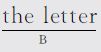
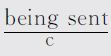
英语里有一些及物动词,其后可接“名(代)+(to be)过去分词”作为复合宾语,want即是其中之一,所以上述句(1)中的being sent应改作sent或to be sent(前者语气似乎较重)。再如:
(2)I don't want the children (to be)taken out in such weather.
这种动词除want外还有like, wish, order等,实例如:
(3)I would like my room (to be)cleaned.
(4)I wish it (to be)finished.
(5)The mayor ordered all the streets (to be)cleaned up.
want之后亦可接“名(代)词+现在分词”,但要注意现在分词所表的动作一般有持续性,而且其逻辑主语往往指人,实例如:
(6)Listen, pal, I don't want you talking about my sister any more.
(7)He doesn't want me poking into this case.
故此,上述句(1)中的being sent是不妥的。又,该读者所说的want和need后可接动名词表被动,其所指的是“want或need+动名词”结构,如:
(8)My shoes want(或need)mending.
这种结构与我们在上面所讲的结构完全是不同的,千万不要将它们混淆在一起。