一致
1 谈谈主语与谓语的一致问题
1 谈谈主语与谓语的一致问题
在许多情况下,用作主语的名词与其谓语动词不论在概念上或是形式上都是一致的,这是不言而喻的,所以我们在此只想着重谈一些数念与数形不一致的情况。
当主语的数念与数形不一致时,一般说来, 动词的形式多决定于主语的数念,而不决定于主语的数形。换言之,主语如果是单形但表复念,其动词多用复形,反之,如果主语是复形但表单念或零念,其动词多用单形。现让我们分别举例说明之。
先说主语用表复念的单形名词而谓语用复形动词。表复念的单形名词最常见的就是所谓集体名词。当这些名词表示各个成员或成分时,即应用复形动词,如:
(1)My family are early risers. (family 在此表各个成员)
(2)This group of chemicals all behave in the same way. (group 在此表各个成分)
有时,用作主语的单形集体名词既可用复形动词,也可用单形动词,但意义有所不同,如:
(3)The cabinet are agreed. (意谓内阁各成员意见一致,故须用are; 如说内阁作为一个集体出现了分歧,则须说 The cabinet is divided)
(4)The chorus were very good. (指合唱队员们;如用 was, chorus 则会被误会为“合唱”)
(5)Tunisia are still without a win. (Tunisia 在此指突尼斯球队,如用is则指国家)
在某些单形集体名词与动词的一致上,英美两国的习惯并不相同,如:
(6)The theatre company make a tour of the country every summer.( 英国人在 company, firm 等单形集体名词之后常用复形动词,美国人则常用单形动词)
(7)The Government are determined to resist aggression. (这也是英国用法, 美国人则用 is)
(8)The help are demanding higher wages. (help 意谓佣人们,主要是美国用法)
有些非集体名词偶尔也可以用作集体名词,需要复形动词,如:
(9)My house never dream of doing these things.
(10)All the world are good.
上面所讲的是“表复念的单形名词+复形动词”结构。现在再请看“表单念或零念的复形名词+单形动词”结构。这种结构在英语里也为数不少,如:
(11)Where's your manners ? (manners 在此意谓礼貌,表零念,故用单形动词 is, 但也可用复形动词 are)
(12)Economic conditions points to further inflation. (conditions 一般表复念,但作者在此却把 economic conditions 看作表零念的“经济形势”)
(13)Two weeks is a long time when you are ill in bed. (two weeks 在此指一段时间,表零念。表一笔钱的 ten dollars 以及表一段距离的 fifty miles 等皆应用单形动词)
(14)Sheep's brains is my favourite dish. (sheep's brains 是一种食物,在此表零念,故用 is)
(15)Politics is often a topic for discussion among them. (politics 在此表零念,但在 What are your politics? 中 politics 意谓“政治观点”,表复念,故须用复形动词 are)
(16)The data is very interesting. (有些复形外来名词常被用来表零念或单念, data 即是其中之一)
(17)Marbles is a game in which small hard glass balls are rolled along the ground towards each other. (marbles 在此意谓玻璃弹子球戏,表零念,故用单形动词 is)
(18)Our headquarters is not far from here. (headquarters 在此表单念,故用 is)
(19)There's a small general stores in the village. (a small general stores 显然具有单念,意谓“一小杂货店”)
有时主语由一个以上的名词构成,其间有连词或介词,也可用单形动词,也可用复形动词, 如:
(20)Bread and milk is wholesome food. (句中的bread and milk 是一种食物,故用单形动词is。 但须说 Bread and milk have gone up in price, 因为bread and milk 在此指两种单独的食物而言)
(21)The teacher with some of his pupils were cleaning the classroom. (这是把 teacher 和his pupils 都看作主语了,故用 were)
(22)Snuff or fan supply each pause of chat. (这是误把 or 当作 and 看待了,故用复形动词 supply)
(23)A number of people were injured. (实际上主语是 people, 故用复形动词 were。 但如number 是主语,则须用单形动词,如The number of chairs in the room is ten )
名词化的形容词用作主语时,亦须根据其数念使用动词,如:
(24)The true is to be distinguished from the false. (the true 在此表零念,故用 is)
(25)The rich are the oppressors; the poor are the oppressed. (the rich 和 the poor 皆有复念,故用 are)
关于动词的数形决定于主语数念的情况,就谈这么多吧。那么有没有动词的数形完全决定于主语数形的情况呢? 有的,但为数不多,当然亦不可忽视。现举一些例子如下:
(26)More than one question was asked. (有的语法家说这里 one 的力量太大了,故用单形动词)
(27)This is one of the doors that was damaged. (这里用 was是受了one 的影响,如果that 的先行词是doors 的话)
(28)The greater part of the bookcases was given up to the world's famous trials. (单形动词 was 与单形名词 part 一致)
(29)There are so many responsibilities on a person's mind when they're keeping house. (由于he 具男性,因而作者愿用中性的they 代表表单念的中性单形名词 person, 但they 为复形代词,故用复形动词 are)
关于主语与谓语动词的数的一致,除上述两种情况外,还有一种有趣的现象,即动词的数形并不决定于其主语的数念或数形,而决定于离它较近的名词的数念,这就是有些语法家所称的邻近原则,如:
(30)A man of abilities are needed. (句中的复形动词 are 与邻近的表复念的复形名词 abilities 一致)
(31)“I read somewhere the other day that one in three marriages now come to grief,” said Mr. Brown. (复形动词 come 与邻近的marriages 一致)
最后,请注意在倒装句中,尽管主语是表复念的复形名词,习惯上却常用单形动词,如:
(32)On the mother's side comes teachers , also one actor.
关于主谓语的一致问题, 暂时就谈这些。
2 关于名词与动词的一致问题
有一读者问到集体名词应用什么动词形式的问题。他对下列两句的谓语动词的单数形式提出了疑问:
(1)The whole city was talking about the splendid cloth which the Emperor had ordered to be woven for so much money.
(2)The public has been asked not to use these places as rubbish dumps.
首先应该注意,集体名词可后接单形动词,亦可后接复形动词,并不是集体名词都非用复形动词不可。所应遵循的规则还是一般语法书所指出的那一条,即当集体名词代表一个整体时,应用单形动词;当集体名词表一集体中的各个成员时,应用复形动词。现让我们分别讨论上述的例(1)与例(2)。
名词city 一般不用作集体名词。当它用作集体名词时,如例(1), 似乎也不常后接复形动词。这里用单形动词was, 除遵循上述规则外,亦与city 前的修饰语whole 有关。名词city 用作集体名词时与village 相似,而village 用作集体名词时亦多用单形动词,如:
(3)The whole village is going to the baker's funeral today. (摘自《朗文当代英语词典》)
再看例(2)。 public 和city 不大一样,它是一个比较典型的集体名词。它后面可跟单形动词或复形动词,强调整体时用单形动词,强调个别成员时用复形动词。所以,如要强调个别成员的话,例(2)中的has 亦可改为have。再如:
(4)The public are (is)requested not to litter in the park.
(5)The public , as a whole,was (were)not enthusiastic about it. (这里似用 was 较好,以与whole 一词取得一致)
3 名词的数与动词的关系
一些读者来信问到名词的数与动词一致的问题,现一并回复如下:
问一:在 Bread and milk is wholesome food.和Bread and butter is my usual breakfast.这两句中为何都用 is?
这是因为 bread and milk 和bread and butter 实际上已成为一种食物、具有单一概念的缘故。但如指两种相互独立彼此无关的东西,则仍须用复形动词,如:
(1)Bacon and butter have gone up in price.
(2)Ham and eggs are not sold here.(ham and eggs 在此不是火腿炒鸡蛋,而是两样单独的食品)
问题中所提的例子都是不可数的物质名词,其实,成为一体的不可数抽象名词亦用单形动词,如:
(3)Trial and error is the source of our knowledge.
(4)All work and no play makes Jack a dull boy.
(5)The tumult and shouting was dying.
成对配套的可数单形名词亦用单形动词,如:
(6)The wheel and axle was out of repair.
(7)A brace and bit is a tool used for making holes.
还有由一单形名词和一复形名词构成的一体亦须用单形动词,如:
(8)Fish and chips is a popular Cockney supper.
(9)Eggs and bacon is a common breakfast dish in England.
上述例句多属现成说法。但有时也可以照此句型独创,如:
(10)“Oh man—fire, fire!” he cried. “A good master and a bad servant is fire, fire!” (a good master and a bad servant 显然是这个“主人”按照自己的观点编的,表一单一概念)
也有些尚不固定的两可情况,既可用单形动词,也可用复形动词,如:
(11)Time and tide wait(s) for no man.
问二: 在《美国20世纪小说选读》(下册)有这样一句话: On the mother's side comes teachers, also one actor. 全句是什么意思? 为什么用单数动词 comes?
这是一个倒装句,意思是:母系亲属中出了一些教师,还出了一个演员。在倒装句中,由于须在确定主语的数之前道出谓语动词来,所以常常无法顾及主语的数而先用了单形动词,这和there is 之后常接复形名词的道理完全一样。问中所引的句子之所以用comes 而主语却是复形,原因亦在于此。这样的情况在当今英语中并不少见,再如:
(12)Just then in the distance was heard the horns and the hum of at least two motorcycles speeding swiftly in the direction of this very spot.
但较多的情况是:单形动词后接一个以上的单形名词,如:
(13)Her face wore a puzzled, troubled, nervous look, in which was mingled fear, sorrow, depression, distrust, a trace of resentment and a trace of despair .
也有单形动词后接一个单形名词加一个复形名词的情况,如:
(14)Leading the list of awards from fellow journalists is the National Headliners Award for Outstanding Achievement in Journalism and two New York Associated Press Broadcasters Awards for Excellence.
然而,在规范英语中,上述例句仍以用复形动词为妥。因为即使比较开明的英语学者也认为单形动词是“大众语”,不能登大雅之堂。我们作为外国人(对英语国家来说)在运用英语时更应慎重一些为好。
问三: 在正常词序中,有没有复形主语使用单形谓语动词的情况呢?
有的,而且不少,但大都有理可循。现举一些较常见的例子如下:
(15)Billiards is not exclusively a men's game. It is also played by women. (billiards 虽是复形,但不可数,相当于一个抽象名词)
(16)A cold or nerves was the possible cause. (nerves 是“神经质”的意思)
(17)Lamb's Tales of Shakespeare is widely read by students of English.(Tales of Shakespeare 是一本书的名称)
(18)Two weeks is a long time when you are ill in bed. (two weeks 在此指一段时间)
(19)Six miles is not far. (six miles 在此指一段距离)
(20)Five dollars is not a lot of money. (five dollars 在此指一笔钱的价值)
(21)Brown's works was small. (works 在此指一座工厂)
(22)Where is your manners ? (manners 在此指礼貌)
(23)His remains was left in the mortuary. (remains=尸体)
(24)Economic conditions points to further inflation. (conditons 在此相当 于一个不可数抽象名词)
4 再谈数的一致
有一位读者提出了一个很重要也很有趣的问题。他先举了一例:
(1)They all have a sweet tooth.
然后问道: 为什么不可以说 They all have sweet teeth? 主语用复数,宾语用单数,岂不矛盾?
我们说,并不矛盾。这是一个名(代)词与名(代)词的数的一致的问题。为了便于讨论,我们姑且将前者唤作“主名(代)词”,将后者唤作“次名(代)词”。主代词 they 和次名词tooth 数形上虽然不同,但在数念上却是一致的。they all 表面上是复数形式,然而它们的数念则是单数,表示“他们每一个人都爱吃糖或甜食”,相当于 They each have a sweet tooth.。 另外,a sweet tooth 是一比喻, 已成习语,意谓 a liking for things that are sweet, 故不可更改不定冠词 a, 也不可将 tooth 变为teeth。 同样,我们必须说:
(2)They all had a drop too much.
绝不可因为主语是复数形式而将 a drop 也改用复数形式。其实,如果你愿意的话,你尽可将a sweet tooth和a drop too much 看作抽象概念。而表抽象概念的抽象名词,与复形主名(代)词连用时,我们知道一般是不用复数形式的,如:
(3)We must try to use our intellect to the greatest advantage. (不可将 intellect 改为复数形式)
(4)They were all given a chance to show their skill. (这里 all 也等于 each, 故chance 用单数。 skill 则表不可数的抽象概念,如用skills 则有“各种”的含义)
(5)They were forced into marriage,and the marriage relation was embittered. (marriage 在此是纯表抽象概念的)
物质名词一般不可数,所以与复形主名(代)词连用时,也不用复数形式,如:
(6)Quite a few families buy their furniture on hire-purchase. (furniture 是物质名词,不可数)
(7)In those days you could see many buses driven on gas. (这里gas 不可数 ,主名词不是全句的主语,而是buses)
复形主名词泛指一类事物时,次名词常可用单数形式,如:
(8)Camels have a hump on their back. (这里的 camels 泛指骆驼,故次名词 hump 与back 皆用单形)
(9)In those years widows wore a black veil. (widows 泛指“寡妇”)
(10)The working people in New China are leading a happy life. (the working people 在此代表整体,故life 用单形)
(11)Most houses have a front door at the front and a back door at the back. (次名词 door须用单数形式,表示每栋房子只有一个前门和一个后门,如用复形 doors 则会引起误会)
(12)Three of them gave their answer immediately. (此句主语是数词 three, 但表复念。可是次名词 answer 须用单形,表示每一个人只给一个回答。如用 answers 则会被误解为每个人的回答不止一个)
(13)All the students were provided with a notebook.(单形 notebook 意为每人一本,如用 notebooks 则会引起误会)
(14)I must be seeing things: I can't believe the neighbours have got a new car. (如用复形cars则会被误解为每个邻居买的新车不止一辆)
(15)When each person comes in they must show their ticket.(如用 tickets 则会被误解为每人不止一张票。顺便提及, they 在此指代 each person, 表单数概念)
主名(代)词与次名(代)词之间的数的一致问题还有很多方面,限于篇幅,这里不可能一一讲到,但只要按照上述分析去探索,去思考,我们相信其它问题也会解决的。
现在让我们谈谈另一位读者提出的问题吧。他在信中先列出下面两个他遇到的句子:
(16)There are a lot of machine parts on the table.
(17)A number of new products have been successfully trial-produced.
接着写道: 在一个句子中,谓语必须同主语的人称与数相一致,因此上述二例中的 are 与 have 应分别改为 is 与has, 不知对否?
也许是由于 a lot 和a number 的数形是单数吧,在例(16)中用 is、在例(17)中用 has 的人确实也不少。但严格说来,两例仍皆应用复形动词,因为 a lot of machine parts 和 a number of new products 常被看作表复数概念的名词词组。在这两个词组中,中心词分别是 machine parts 与 new products, 而不是a lot 与 a number, 因为在人们心目中, a lot of 和a number of 已变成用作定语的固定词组了。
有一位美国学者明确指出,number 与不定冠词 a 连用时,动词须用复数形式,如:
(18)A number of boxes were sent.
但number 前如是定冠词 the, 动词则须用单数形式,如:
(19)The number of boxes is small.
但须补充一点,there is 是一特殊情况。尤其在口语中,人们往往会不加思索地先用 there is (或更为普通的 there's)开头,所以其后的名词用单复形皆可。
5 关于集体名词后的动词数形问题
有一读者问: 有一些名词既可用单数动词又可用复数动词,如staff, family, class, group等。但另有一些名词不知是否也是如此,如band, crew, faculty, throng, crowd, army? 有没有什么规则可循,可以据以判断什么名词属于这一类?
多数集体名词都可用单数或复数动词。上述集体名词皆属此类。另外常见的还有committee, company(公司), couple, government, herd, mankind, nobility, party, team等。总的规则倒有一条,即用单数动词时,该集体名词指一不可分割的整体,而用复数动词则表示该集体中的成员。但实际运用中,却往往随个人的习惯而定。
有些集体名词,如government, company等,则又有英、美之别: 英国多用复形动词,而美国多用单数动词。有人甚至在同一句中兼用单、复形动词,如: Folks that has brought up children know that there's no hard and fast method in the world that'll suit every child. 你看,这个句子先用单数动词 has brought up,后面却用的是复数动词know。由此可见,在这个问题上,虽有总的规则,但人们的随意性还是比较强的。
6 名词化的形容词和过去分词与动词的一致
有一读者问: 有这样两个句子:
(1)The old gives place to the new.
(2)The wounded was sent to hospital without delay.
在这两句中,“the+形容词/分词”结构都后接单数动词,可是我们的老师说其后也可接复数动词,这样说对吗?
你的老师这样说是对的。“the+名词化的形容词或过去分词”既可用单数动词,也可用复数动词。究竟应用哪一种动词,应由名词化形容词或过去分词的数念所决定。概括地说,名词化形容词或过去分词如表的是单数概念,则应用单数动词,上述句(2)即属于这种情况,再如:
(3)The older takes the younger by the hand.
(4)The accused was acquitted.
名词化的形容词或过去分词如表的是复数概念,则应用复数动词,如:
(5)The old are apt to catch cold.
(6)The dispossessed are demanding their rights.
还有一种既非单念又非复念的抽象概念(即零念)。表这种概念的名词化形容词或过去分词亦须用单数动词,上述句(1)即属于这一类,再如:
(7)The true is to be distinguished from the false.
(8)The unforeseen is always exciting.
7 倒装句中的主谓一致问题
有一读者问: 有个主谓一致的问题,先请看下列句子:
(1)Here are two major historic sights in Beijing—one a repository of the Buddhism and the other dedicated to the traditions of secular Confucian studies and the history of the city of Beijing.
(2)On display are relics of the ancient site of the city including items of daily living, ancient money, weapons, statues, art, calligraphy, clothing, maps, photographs and many other important items for the study and appreciation of the history of the city of Beijing.
(3)Here comes the bus.
像这样句子的主谓关系由哪部分决定? 有规律吗?
上述句子都是倒装结构,所以你所提的问题实际上是一个倒装结构中主谓一致的问题。一般说来,像你所列举的倒装句,其谓语动词皆应与其后的主语一致。但有时主谓在形式上并不一致。实例如:
(4)On the mother's side comes teachers, also one actor. (主语为复形名词teachers,谓语动词为单数comes)
(5)Just then in the distance was heard the horns and the hum of at least two motorcycles speeding swiftly in the direction of this very spot. (主语为the horns and the hum of...,谓语动词为was heard)
为什么会出现这种主谓不一致的现象呢? 其主要原因是说话人常未顾及主语的数而先道出了单形谓语动词。这和there is之后有时后接复形名词的情况非常相似。上述句(4)用comes是正常情况。上述句(5)之所以用单形谓语动词was heard,则是由于the horns and the hum在意念上表示抽象声音的缘故。
8 为什么定语从句有的用单数动词,有的用复数动词?
有一读者问: 请解释下面三个句子中的定语从句为什么有的用单数动词,有的用复数动词。
(1)He is one of those students who comes from the south.
(2)Mr. Gilmore is one of those men who appears to be friendly, however, it is very hard to deal with him.
(3)He is one of those who are afraid of difficulties.
根据语法规则,例(1)的定语从句用的是单数动词comes,该从句自应修饰one of those students, 而不应修饰those students。同样,例(2)的定语从句亦应修饰one of those men,而不应修饰those men。例(3)的定语从句用的是复数动词are,故而该从句应修饰those,不应修饰one of those。然而实际情况是:许多人在应用复数动词的地方却用了单数动词。有的语法学家甚至说六个人当中会有五个人这样做,根据这种实际情况来看,上述例句中除第(3)句没有歧义外,其余两句都会产生歧义。对此我们应该如何判断呢? 唯一的判断标准是当时的情景或具体的上下文。尤其是例(2),在一定的上下文中,其定语从句很可能修饰those men哩!
9 “分数 + of + 名词”后的动词形式
有一读者问:《学英语》报上曾有下面两句话:
(1)Two-thirds of water in the river has been polluted.
(2)Three-fourths of the flour are produced in this flour factory.
为什么句(1)用单数动词has,句(2)却用复数动词are?
“分数+of+名词”用作主语时,其后动词的单复数一般应由名词的数念而定,如上述句(1)中的名词water是不可数名词,故其后的动词应用单形has。名词如是可数复形名词,其后则应用复数动词,如:
(3)Two-thirds of people were illiterate.
但有时动词的数形并不决定于名词,而却从分数的数形出发,如:
(4)Three-fourths of anybody's fame are mere suggestion. (这里的复形three-fourths与复形动词are一致)
上述句(2)之所以用复数动词即是由于其主语是复形的缘故。至于“分数+of+名词”后的动词应取决于名词的数,还是取决于分数的数,那就决定于说(写)话人的主观态度了。
10 如何解释这些句中的单、复数动词?
有一读者问:《新中学英语》中有这样三个句子:
(1)At present about 38% of the Chinese population smoke.
(2)Just under a third of the population now smokes, about 17 million people.
(3)This is because two thirds of the earth's surface is made up of vast oceans.
如何解释上述句(1)中的复数动词smoke,句(2)中的smokes和句(3)中的 is?
当百分比或分数与集体名词(如上述句[1]、[2]中的population)连用时,如强调集体名词是一不可分割的整体,则用单数动词,如上述句(2);如强调集体名词的一个个成员,则用复数动词,如上述句(1)。上述句(3)中the earth's surface乃指一单一事物,具有单数概念,其分数自应也表单念,故而应用单数动词is。
11 这里可用复数或单数动词
有一读者问: 有这样一句话:
(1)Since then hundreds of years have passed.
这里的have是否应改为has?
表时间、金钱、距离等的复形名词用作主语时,如强调其作为一个单一的不可分的整体,其谓语动词应用单数,如:
(2)Four years is a moment in history. (four years在此被看作一整段时间)
(3)A thousand dollars is a large sum. (a thousand dollars在此被看作一笔款)
(4)A hundred miles is a long distance. (a hundred miles在此被看作一整段距离)
但表时间、金钱、距离等的复形名词用作主语时,如强调其具体的个别组成部分,其谓语动词则应用复数,上述例(1)即是一例,再如:
(5)Every day more than four hours are slavishly wasted on commuting between our home and factory.
(6)Last year 140,000 yuan were raised for the project.
(7)Many miles were covered by him on his bicycle.
但有时用单形动词还是复形动词,则随作者的主观态度而定,如下面句中的谓语动词既可用单数,亦可用复形:
(8)The fifty miles was (或were)covered by the winner in 14 hours, 14 minutes and 45 seconds.
12 表金额的主语应用什么动词形式?
有一读者问: 有这样四道选择题:
(1)_____£100 worth of pennies in the bag.
(2)_____£100 in pennies in the bag.
(3)_____£10 worth of eightcents and fourcents stamps in the drawer.
(4)_________sixpence in the pocket.
A. There are B. There is
请分别给以解答。
上述句(2)和句(4)属于同一类,其主语皆表金额。句(2)的答案应为There is,因为£100在概念上指一笔钱,故其动词应用单数。句(4)中的sixpence在此亦指一笔钱,是一不可数名词,应用单数动词,故此句亦应填以There is。
上述句(1)与句(3)属于同一类,其主语都是名词worth。worth表金额时,其动词一般应与金额一致,如:
(5)Thousands of pounds' worth of damage have been done to the apple crop.
但在there be结构中,则可用单数动词,如:
(6)There was about $400 worth of damage.
所以,上述句(1)与句(3)皆可填以There is。
13 这里 were 用得对吗?
有一读者问:
(1)Not only you but also he were sick that day.
(2)Not only Mr Lin but also Wang Li were born in Shanghai.
这两句中的 were 用得对吗?
用得不对,应改作 was。在上述结构中,谓语动词的形式应与 but also 后的名词一致。这条规则不但为较保守的语法家所坚持,也为当代一些较开明的语法家所承认。
14 关于time and tide后的动词形式
有一读者问: 下面一谚语中应用单数动词抑或复数动词:
Time and tide (wait)for no man.
此谚语用wait和waits皆可。但有些成语词典则只用复数形式wait,如《牛津英语谚语词典》(The Oxford Dictionary of English Proverbs )。
15 为何用is而不用are?
有一读者问: 有这样一句话:
(1)A few attempts to board or exit a crowded bus, or to try and buy stamps in a crowded post office, may suggest to some Americans that the legendary Chinese patience and politeness is a myth.
这里为什么用is a myth而不用are a myth?
这是因为其主语the legendary Chinese patience and politeness(忍耐与谦让)已被视作一种美德、一种概念了。再如:
(2)Rest and quiet is what you want.
(3)Violence and death in the street was something that the detective viewed as a natural part of life.
(4)Soapy reached one of the avenues to the east where the glitter and turmoil was but faint.
(5)The gracious hospitality and friendliness of the Chinese was greatly appreciated by the 60 visitors on the tour.
以上所谈的表示一种概念的主语都是与上述句(1)中the legendary Chinese patience and politeness相类似,由两个抽象名词构成的。关于其他由一个以上的类名词和物质名词构成的主语可用单形动词的情况,可查阅拙著《英语名词的数》(开明出版社)6.10.1,这里就不细说了。
16 为什么这里用单数动词?
有一读者问: 有这样一个句子:
But of what human import is all this skill, all this effort, all this energy in the production of effects, when the story, the representation of life is hollow, stupid, banal, childish.
为什么主句与从句中的谓语动词都是单数形式?
主句的谓语动词用is,是因为主语all this skill, all this effort, all this energy...皆指一个概念(注意all this energy前无and);从句谓语动词用is,是因为主语是单数名词story, the representation 是一同位语。
17 each soldier and sailor之后应用单数动词
有一读者问: 有这样一道选择题:
(1)Each soldier and sailor_________given a gun.(were, was, am, are)
问应选哪一个词?
应选was。这个句子的sailor之前省去了each,全句应是:
(2)Each soldier and each sailor was given a gun.
为什么须用单数动词was呢? 这是因为each soldier和each sailor应看作两个单独结构,换言之,整个句子应看作一个并列句,相当于:
(3)Each soldier was given a gun and each sailor was given a gun.
不定代词every也这样用,如:
(4)Every hour and every minute is important. (亦须用单数动词is)
(5)Every English man and woman has good reason to be proud of the work done by their fathers in prose and poetry. (须用单数动词has, woman之前省去了every English)
18 mankind 之后动词形式
有一读者问:《中高级英语考试指南》中提及 mankind 同 cattle, people, police 等词一样,是单数形式,用作复数。但该书有一题:
(1)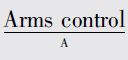 is
is 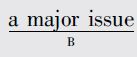 of this decade since all of mankind
 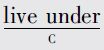 the shadow of nuclear war.
答案为C改为lives under, 为何采用单数形式?
mankind 为一集体名词,作为整体看时应用单数动词,作为许多个体看时应用复数动词(可参阅《朗文当代英语词典》)。all of mankind 在此显然强调整体概念,故应用 lives, 不应用 live。但如说“人类受多次战争之苦”,则应用复数动词,如:
(2)Mankind have suffered from many a war.
19 “many a +单数名词”应用单数动词
有一读者问: 书上有一例是这样的:
(1)Many a boy and many a girl has been there.
可是有人说这里的has错了,应用have,孰是孰非?
应用has。这个句子相当于:
(2)Many a boy has been there and many a girl has been there.
20 这里的mathematics为何后接复数动词?
有一读者问: 为何下面两句中的谓语动词一用单数一用复数:
(1)Physics is hard for me.
(2)My mathematics are weak.
总的说来,以-ics结尾的名词指一门科学或学科时,一般表零念(即既无单念又无复念),应用单数谓语动词;但如指的是实际应用情况,则一般应用复数谓语动词。试比较:
(3)Economics is closely connected with mathematics. (economics在此指一门科学)
(4)The economics of the situation have yet to be considered. (economics在此指实际经济状况)
(5)Statistics is a principal course at the business school. (statistics在此指一门学科)
(6)Statistics prove nothing in this instance.(statistics在此指实际统计数字)
(7)Acoustics is his special subject.(acoustics在此意为“声学”)
(8)The acoustics of the hall are not all that could be desired.(acoustics在此意为“音响效果”)
有的以-ics结尾的名词指一项运动时应用单数谓语动词,指实际表演情况时则应用复数谓语动词,试比较:
(9)Acrobatics is a dangerous sport.(acrobatics在此指一项运动)
(10)Acrobatics were the best of the show.(acrobatics在此指实际表演)
具体到上述句(1),由于主语physics是一门学科,所以其谓语动词用is。但上述句(2)的情况就有点特殊了。其主语mathematics既可作为“学科”后接is,亦可作为“实际运算”后接are。
然而,关于以-ics结尾的名词后接单数抑或复数谓语动词的问题,有时并不如此简单。具体名词往往需要具体分析。且以politics为例。它作为一门科学或学科,自然应后接单数谓语动词。但作为“政治职业、事务”等时,则往往既可后接复数动词,亦可后接单数动词,如:
(11)At election time politics become(s)the order of the day.
但如指“政治信仰或观念”,则应用复数动词,如:
(12)What are your politics?
但如指“运用策略或权术”,则又应用单数动词了,如:
(13)Politics makes strange bedfellows.
21 关于nobody等代词与动词的一致
有一读者问: 为什么下面两句中用复数动词:
(1)Nobody, except his most intimate friends, know it.
(2)Nobody but two boys were in the room just now.
这是一个用作主语的代词与动词一致的问题。代词与动词的一致,和名词与动词的一致一样,也有三种情况:
1. 语法上的一致,即形式上的一致,如:
(3)Each of us has his opinion.
2. 概念上的一致(或逻辑上的一致),如:
(4)Each of us have our opinions. (each of us在概念上相当于 we all)
3. 邻近原则(或叫做“形态同化”),即动词的数与其邻近的名词一致,如:
(5)Everybody wears new clothes and have inside toilets. (主语先用单数动词wears,但后转用复数动词have,这显然是由于受了其邻近的复数名词clothes的影响所致)
此外,还有一种习惯用法,如疑问代词who常用单数动词,实例如:
(6)— Well, they're giving a hell of a party on his birthday.
— Who is?
— Everybody.
你所提问的两个句子既可属于“概念上的一致”,亦可属于“邻近原则”。有的语法家认为它们更应属于“概念上的一致”。他们举了下面一例:
(7)No one except his own supporters agree with him.
理由是这个句子实际上等于Only his own supporters agree with him,因而较易令人接受。
顺便提及,“nothing but+复数名词”、“anything but+复数名词”等结构同样可用复数动词,如:
(8)The paper said nothing but exam marks were taken into consideration at those schools.
(9)I don't think anything but a few charred bones are left.
但须指出,在正式英语中,上述一些情况仍应在语法上取得一致,使用单形动词。不过none似应算作例外。一般说来,“none but+复数名词”之后皆应用复数名词,如:
(10)None but fools have ever believed it.
22 关于none指人时与动词的一致
有一读者问: 为什么下面一句中的谓语动词用复数形式,是否用错了:
(1)None of us understand the play.
对初学者来说,应该知道none常后接“of+名(代)词”。“none+of+名(代)词”用作主语时,其后的谓语动词多用复数形式;用单数形式也可以,但较为少见。因此,上述例(1)中的复形动词understand并没有错。
必须指出,“none+of”之后的名(代)词必须是可数的人或物,并且为数须是三或三以上。如果是指两个人或物,则不可用none,而须用neither。试比较:
(2)I have three cats. None of them is white. (须用none)
(3)I have two cats. Neither of them is white. (须用neither)
此外还应知道,汉语中的“我们都没有看见你的猫”不可译作We all did not see your cat.,而应译作:
(4)None of us saw your cat.
自然,如果“我们”指两个人时则须说:
(5)Neither of us saw your cat.
23 这三个句子应用单数动词还是复数动词?
有一读者问: 下面三个句子应用复数动词还是单数动词:
(1)No one except his supporters_________with him. (agree)
(2)One in ten_________the medicine. (take)
(3)A bunch of keys_________found on the desk. (be)
句(1)应填复数形式agree,因为它属于概念上的一致。除用作主语的no one外,nobody和none用作主语时也常可用复数动词。
句(2)的上下文不详。one in ten如意谓“平均十个人当有一人”,则可用take。
句(3)中的a bunch of keys可用单形is(或was), 亦可用are(或were)。如强调a bunch的整体概念, 即应用单形动词; 如强调一个个的keys, 则应用复形动词。英语里既可用单形动词亦可用复形动词的名词除bunch外, 还有很多, 如group, crowd, gang, flock, herd, breed, band, batch, cluster等。
24 the Olympic Games之后用单数抑或复数动词?
有一读者问: the Olympic Games (或the Olympics)之后的谓语动词,有的用单数,有的用复数,你的看法呢?
the Olympic Games既可看作单一竞赛,用单数动词;亦可看作一系列竞赛,用复数动词。似乎多用复数动词,如:
(1)The Olympic Games are held in a different country on each occasion.
(2)The 1992 Summer Olympics were held in Barcelona.
(3)The Olympics are governed by the International Olympic Committee.
(4)The Olympic Games were held in Australia in 1956.
用单数动词的情况似乎较少,如:
(5)The Olympics takes place every four years.
25 “one and a half + 复数名词”后的动词形式
有一读者问: 有一本书上说“one and a half+复数名词”之后应用复数动词,可是我们老师说应用单数动词,你们的意见呢?
你的老师是对的,“one and a half+复数名词”之后的谓语动词常用单数。可查《新英汉词典》的half,那儿有一例是:
A year and a half (或One and a half years)has passed.
26 这里用单数动词是英美人常犯的错误
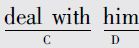
有一读者问: 有这样两道辨错题:
(1)Mr. Snow is one of those men 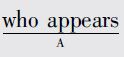 to be
to be  however, it is very hard to
  .
.
(2)Marion is only one of the students 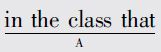 never
never 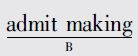 a mistake,
 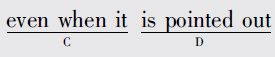 to him.
上述第一道题的答案是A错,应改为appear;第二道题的答案是B错,应改为admits making。上述答案对否?
上述答案是对的。句(1)按其句意来讲,who之后显然应用复数动词appear,因为who的先行词在此不是one,而是men。句(2)按其句意,that之后显然应用单数动词admits,因为that的先行词不是students,而是one。
但应指出,上述句(1)用单数动词appears是英美人常犯的错误,再如:
(3)This is one of the doors that was damaged.
按理说,这里不应用was而应用were,因为that的先行词显然是doors(当然也有可能是one,但这种情况较少)。有人说这里之所以用单数动词was是因为受了one的影响的缘故。由于受到one的影响而用单数动词的情况还有如:
(4)More than one question was asked.
27 关于“one of + 复数名词”之后定语从句的动词数形
有一读者问: 我在《英语学习》中遇到这样一句话:
(1)Jasper White is one of those rare people who believes in ancient myths.
许孟雄先生认为这个句子中的who believes应改为who believe。《新概念英语辅导材料》第二册(郭兴家、王福林编)的解释是: who believes in ancient myths是定语从句,修饰one,所以谓语用believes。《实用英语语法疑难解析》(李永生编著)的解释是: 定语从句的谓语动词的数,应由它所修饰的先行词的数来决定。如果根据意义确定该结构中的先行词是复数名词,从句中谓语动词则为复数形式,如:
(2)This is one of the most interesting questions that have been asked.
有时根据意义可判定先行词为one,特别是当one之前有the only, any等作定语时,那么定语从句中的谓语动词应采用单数形式,如:
(3)He is the only one of those boys who is willing to take on another assignment.
(4)Is there any one of you who wants to go with me?
另在《英语世界》某期第12页上有这么一句:
(5)Probably the story is one of those mysterious bits of folklore that reappear every few years, to be told anew in one form or another.
此句的that从句却又用复数谓语动词。种种说法,实不知孰对孰错,敬请指教。
按照语法规则而论,上述李永生等人的论述都是正确的。但语言实际与语法规则并不总是完全一致。从英语实际来看,与上述规则相反的情况确是为数不少,从句用单形动词、主句中用复形名词作先行词的现象可谓屡见不鲜。也可以说,这是英美人常犯的错误。但这似乎有点积重难返了。据有人统计,违反这条传统语法规则的人与遵照这条传统语法规则的人的比例约为2:1,有的人甚至说是5:1。有的语法家还为违反这条语法规则的现象找出了原因,即定语从句之所以用单形动词是受到了主句中one的影响的缘故。你所举的上述句(1)即是一例。这样的例证很多,再如:
(6)This is one of best books that has appeared this year.
(7)Really good talk is one of the great pleasures there is.
(8)This is one of the doors that was damaged.
(9)Washington is one of the few states that has such a reforestation requirement on its statute books.
(10)He effected one of the most difficult reforms that ever was accomplished by any statesman.
(11)One of the greatest and most serious strikes which has occurred in modern times will take place.
(12)She's one of those women who doesn't know a damed thing about furniture but believes she has a flair.
(13)Singing is one of the activities which generates the greatest enthusiasm and is a pleasant and stimulating approach to the culture of the foreign people.
最后似应指出,有人认为这种不合语法的情况多出现在美国英语和口语中。
28 多用is
有一读者问: 有这样一道填空题:
There_________a pen, a pencil in the pencil box.
答案为are, is是否更合适些?
这里用are或is都可以,但口语中似乎多用is,因为其后是a pen。顺便说一下,这里的逗号最好改为and。
29 potatoes之后为何用is?
有一读者问:曾遇到过这样一个句子:
(1)When potatoes is cooked with beef, it tastes better.
为什么句中的potatoes后面用单数动词is?
这是一个带有普遍性的名词与动词一致的问题。potatoes虽在形式上与动词is不一致,但在数念上却与is一致。因为potatoes在此尽管在形式上为复数,在概念上则是一不可分割的整体,再如:
(2)Oh, my carrots is scorching. (carrots在此不可数)
(3)Sheep brains is my favourite dish. (sheep brains不可数)
你可能要问: 上述句(1)可不可以用单形potato代替复形potatoes呢? 我们觉得,在这种情况下,习惯上多用复形potatoes。单形potato多表菜肴或纯物质概念,如:
(4)Would you like some potato? (表菜肴)
(5)It's something starchy such as potato or cereal. (表纯物质)
同样,上述句(2)习惯上也应用复形carrots,如说my carrot,则指一份菜。上述句(3)中的brains则是一特殊情况,它实际上已变成单独一个词(类如bowels, entrails, genitals等),绝不可代之以单形brain。
关于复形名词与单数动词在数念上一致的问题,如有兴趣,可参阅拙著《英语名词的数》(开明出版社出版)编号6.3。
30 a large quantity of books之后应用单数还是复数动词?
有一读者问: 有这样一道选择题:
(1)There_________a large quantity of books in the library.
A. is B. are C. have D. has
答案是A,并说a large quantity of后面不论接单数名词或复数名词,其谓语动词一律用单数;谓语动词的变化与quantity有关,与其后的名词无关。而我们的语法书上却说“a quantity of+名词”后的谓语动词应与a quantity of后的名词的数一致。我们很不理解,请答。
此答案是正确的,是符合语言实际的。之所以如此,可能是由于a quantity of与a number of不同,前者强调“量”,后者强调“数”,再如:
(2)A quantity of books is found on the table.
(3)A large quantity of weapons and ammunition was seized from rebel hide-outs in the operation.
但“quantities of+单数名词或复数名词”之后则用复数动词,如:
(4)Quantities of sand were washed down the hillside by the rain.
(5)Quantities of surplus materials are available.
你的语法书上所说的规则原则上也不错。但与语言实际不甚符合。它似乎更适用于a lot of, a number of等短语。
31 似多用单数动词
有一读者问: 有这样一道选择题:
It is reported that a series of meetings_________held about the best way to market the new product.
A. was B. were C. has D. have
答案为A,但我认为B是正确答案,不是吗?
A与B都正确,但用单数动词的情况似乎要多一些。
32 “tons of + 不可数名词”常后接单数动词
有一读者问: 有这样一道填空题:
(1)Tons of rubbish_________ (be)being taken out of the city center.
应填is还是are?
一般说来,如不强调tons, miles, metres等, “tons, miles, metres等+ of +不可数名词”之后皆应用单形动词,再如:
(2)Tons of low-radioactive waste was actually the debris of a cement floor which had been contaminated with tiny amounts of uranium.
(3)Miles of red ribbon, cardboard banners, cowboy rope and tractors was used to fill in the gaps in barren, sunscorched stretches of the southwest.
(4)In 1986, 5 million square metres of new living space was built in the capital.
33 为何一句用are, 另一句用is?
有一读者问: 为何下面第一句中用are,而第二句中用is?
(1)What are in the boxes?
(2)What is in these boxes?
上述句(1)和句(2)都可以说,但句(1)意味着问话人确知箱内有一样或一件以上的物品;句(2)则有两种可能:一是问话人确知箱内只有一样或一件物品,二是问话人不知箱内是否有一样或一件以上的物品。
34 what之后为何不用are?
有一读者问: 有这样一个疑问句:
(1)What's your name and number?
为什么what之后不用are?
疑问句what, who, where, how等位于句首时,其后常用单数动词is或其缩略式 's。即使单数动词之后为复数名词,亦是如此。再如:
(2)Who's there? (who可意指单个人和多个人)
(3)Where's mum and dad?
(4)How's things?
这个问题可与“there is+复数名词”联系起来,如:
(5)There's hundreds of people in the waiting list.
之所以都用is,皆是由于说话人往往总是先用is,然后才想到其后的名词。
35 能否说 What are on the table?
有一读者问:我知道可以说:
(1)What's on the table?
但不知道能否说:
(2)What are on the table?
句(1)中的疑问代词 what 用作主语,表单数概念,所以应后接 is。句(2)也对,其中的疑问代词 what 用作主语,表复数概念,所以应后接 are。但说话人如不确知主语 what 的数念,其后则须用 is,如:
(3)What is in your pocket?
顺便提及,疑问代词 who 用作主语时,与 what 用作主语时一样。如:
(4)Who's there?(说话人确知 who 表单数概念)
(5)Who are there?(说话人确知 who 表复数概念)
但说话人如果不确知主语 who 所表的数念,则仍用句(4)。然而在口语中,当说话人明知主语 who 所表的是复数概念时,却依旧用 who is ...?如:
(6)Who's making that noise?
(7)—Well, they're giving him a hell of a party on his birthday.
—Who is? (可译作“谁们?”)
—Everybody.
36 这里既可用单数动词亦可用复数动词
有一读者问:
(1)What we need are more machines.
(2)What we need is more machines.
这两句哪个正确?
上面两个句子都是正确英语,正如下面两个句子都是正确英语一样:
(3)I think what immediately made up his mind were some things Nick Fawley said.
(4)What I'm telling you is mere impressions.
顺便提一下,下面两句也都正确:
(5)All that I have seen are cows and coyotes.
(6)All that I have seen is cows and coyotes.
37 用is和are都对
有一读者问: 如何做这道选择题:
The teacher together with his students_______the Great Wall.
A. is going visit B. are going visit
C. is to go to visit D. are to go to visit
根据语法规则,应选C。但D也不错,这是由于人们往往把together with混同为and的缘故。
38 这是一个名词与代词一致的问题
有一读者问: 课本上有这样一个句子:
(1)Was it some clothes?
clothes是复数名词,怎能与表单数的Was it连用?
这不是一个名词与动词一致的问题,而是一个主名(代)词与次名(代)词一致的问题(可参见拙著《英语名词的数》[开明出版社出版]第七章)。具体到上述句(1),也就是it与clothes一致的问题。应该指出,it与clothes虽在单、复数形式上不一致,但二者在意念上是一致的。我们手头没有你所用的课本,故不知it指代的是什么。但比如说它指代一个包裹,那就可以理解了。在英语里,单形名(代)词与复形名(代)词在意念上一致的情况并不罕见,再如:
(2)Isn't it hateful, all the formalities! (it与formalities在意念上一致,it是all the formalities的代称)
(3)There is no such thing as ghosts. (ghosts泛指鬼,与thing在意念上一致)
39 这是一个复数名词与单数名词的一致问题
有一读者问: 请比较下列两句中的单数名词form与复数名词forms:
(1)While ants grow, they change their form three times.
(2)Ants change their forms three times while they grow.
问如何解释下面句子中的单形subject和plan 以及复形books:
(3)In one morning, the students change their subject three times.
(4)They have changed their plan three times.
(5)In one morning, the students change their books three times.
让我们对上述问题逐一解答如下:
例(1)中的单数名词form表个别概念,强调为蚂蚁所皆有。
例(2)中的复数名词forms表由一个个蚂蚁构成的集体,强调集体概念。
例(3)中的单数名词subject与例(4)中的单数名词plan皆表个别的概念。
例(5)中的复数名词books亦表集体概念,与例(2)的forms相仿。
上述情况皆属于“复数名(代)词与单数名词的一致”的问题。这个问题比较复杂,由于篇幅有限,这里恕不能细谈。读者如有兴趣,可参阅拙著《英语名词的数》(开明出版社出版)7.3。