从句
1 三种从句之异同
1 三种从句之异同
概括地讲,同位语从句同定语从句和名词性从句主要有下列一些相同与不同之处。
让我们先看同位语从句与定语从句的异同吧。
1. 同位语从句与定语从句相同之处主要有三点:
1)二者同出一源,或更准确地说,定语从句是从同位语从句演变来的。引导定语从句的关系代词that原本和引导同位语从句的连词that,都是具有指示作用的,并皆可省去。
2)二者皆有先行词,并与之有修饰或限制的关系,而且皆有限制性与非限制性之分。二者的位置有时亦皆可与先行词隔开。
3)二者在意义上有时非常相似,如:
(1)His explanation, which we read yesterday, is unsatisfactory.
这一句中的定语从句which we read yesterday即有语法家认为是同位语从句,因为它可以改作the one that we read yesterday而意义不变。
2. 同位语从句与定语从句不同之处主要有四点:
1)二者与先行词虽都有修饰关系,但其修饰关系不同。同位语从句强调与先行词是等同或同一的关系,定语从句则一般不能与先行词等同起来,它只表示一种限定的关系。
2)二者虽皆可为that所引导,但这两个that的所属词类不同。引导同位语从句的that是一从属连词,在从句中不能用作句子成分;而引导定语从句的that则是一关系代词,在从句中可用作主语、宾语等句子成分。
3)同位语从句所修饰的先行词多为少数一些抽象名词,如fact, idea, news等,而定语从句所修饰的先行词的范围则要广阔得多。
4)在逻辑上,同位语从句有时起宾语的作用,如:
(2)Modern science has given convincing proof that smoking can lead to cancer and other diseases. (在逻辑上同位语从句that smoking can lead to cancer and other diseases是其先行词proof的宾语)
that引导的定语从句有时在意义上则相当于状语,如:
(3)Dora did not reply, gentle creature that she was. (定语从句that she was在意义上相当于原因状语从句)
现在再让我们看看同位语从句与名词性从句的异同。
1. 同位语从句与名词性从句相同之处主要有两点:
1)二者的语法功能皆相当于名词。
2)二者皆可用连词that。
2. 同位语从句与名词性从句不同之处主要也有两点:
1)二者源流不同。
2)同位语从句有先行词,名词性从句则无先行词。
从以上分析可以看出,同位语从句与定语从句有同有异,与名词性从句亦有同有异。有的语法家强调同位语与定语从句相同之处,于是就将同位语从句列在定语从句项下。有的语法家强调同位语从句与名词性从句相同之处,于是就将同位语从句列在名词性从句项下。有的语法家既不强调同位语从句与定语从句相同之处,亦不强调同位语从句与名词性从句相同之处,于是就将同位语从句单独列为一项。具体如何处理,完全决定于语法家各自的体系与各种语法书的编写目的。我们考虑到我国读者的实际需要,则倾向于上述第三种语法家的态度,觉得将同位语从句单独列为一项较好。
2 这是一个表语从句吗?
有一读者问: 初中英语第五册中It seemed that the headmaster will come to our class.中的 that 从句是否是一表语从句?
这个 that 从句不是表语从句,而是主语从句,是全句的真实主语。引词 it 是形式主语。动词seemed在此不是连系动词,而是实义动词。但也有人认为it在此是一非人称代词或一虚词,用作主语,seemed是连系动词,that从句是一表语从句。
3 insist that 之后可用直陈语气
有一读者问:《许国璋英语》第三册中有一例句:
(1)He insisted that his method was correct.
这里为什么不用be而用was?
动词insist后接that从句时,有时意为“坚持要求”,有时则意为“坚持认为”。insist意为“坚持要求”或“定要”时,其后的that 从句须用虚拟时态,即“(should)+动词原形”,实例如:
(2)He insisted that she (should)be invited to the party.
insist意为“坚持认为”时,其后的that从句须用陈述语气,实例如:
(3)She insisted that he was wrong.
4 这两句可填that吗?
有一读者问: 有这样两道填空题:
(1)Do you know_________he is a student?
(2)I can't believe_________he can finish the work in such a short time.
答案分别为if和how。不知两句都填that是否更妥?
上述答案都对。句(1)既可填if也可填that,但二者的意义不同。如填if,全句的意思是:他是否是一个学生,你知道吗? 如填that,其意则为: 你知道他是一个学生吗? (或:他是一个学生,你知道吗?)同样,句(2)填how和that都可以,但二者的意义也稍有不同。如填how,全句的意思是: 我不相信他怎能在如此短的时间内完成这项工作(不相信“他”怎样能够)。如填that,则意谓:我不相信他能在如此短的时间内完成这项工作(不相信“他”能够)。
5 有哪些动词只能后接 that 从句?
有一读者问: 在学习英语的过程中,有一个问题一直没弄清楚: 到底哪些动词之后不能接不定式,也不能接动名词,而只能接 that 从句?
你大概是指及物动词而言吧。关于及物动词之后能接什么或不能接什么,可查较好的专供学习使用的英语词典,如 The Advanced Learner's Dictionary of Current English 和Longman Dictionary of Contemporary English 。也可查着重讲述句型的书籍,如英人 A.S.Hornby 编写的A Guide to Pattern and Usage in English 。 且以 The Advanced Learner's Dictionary of Current English 为例,你会发现该书的开头有25个动词类型。其中第二型是“动词+不定式”,第十一型是“动词+that 从句”,第十七型是“动词+动名词”。全书在每个动词项下都标有可用哪些动词类型的数码。 你要找不能后接不定式和动名词而只能后接 that 从句的及物动词吗? 那你就先查可用第十一型的及物动词,然后再找其中不可用第二型和第十七型的动词。如此这般不厌其烦地找下去 ,你就会有一天得到全部你所需要的只能后接 that 从句的及物动词。譬如你查到了及物动词 believe,你会看到它后面的动词类型标号没有2 (即第二型), 也没有17 (即第十七型),但有11(即第十一型)。这就显然表明及物动词 believe 就是你要寻找的对象。此外像 explain, hear, see, suppose 等皆属此类。及物动词wonder等也是一样,不过不可后接that从句,只能后接间接疑问句。
我们不清楚你为什么想要一网打尽所有这些动词。如纯为学习,似乎不宜这样做,而应该把主要精力放在大量实践中去。
6 关于“介词+从句”结构
有一位读者来信说:有这样两句话:
(1)She is sorry for what she had said.
(2)With these words I must leave you, for how long I know not.
请问如何分析 for what she had said 和 for how long I know not?
首先让我们探讨一下上述句(1)中的 for what she had said。这是一个介词短语,由介词 for 加上一名词性从句构成。“介词+名词性从句”结构在英语里并不罕见。在这种结构中,介词常可后接由缩合连接代词 what 和缩合连接副词 when, where 等所引导的名词性从句。上述句(1)中的 for what she had said 即是“介词后接由缩合连接代词 what引导的名词性从句”结构的一例,再如:
(3)He is aware of what I write .
“介词后接由缩合连接副词 when 引导的名词性从句”结构的例证有如:
(4)She wore the same black shiny raincoat as when they'd first met .
“介词后接由疑问词引导的名词性从句”(即间接疑问句),如:
(5)This article will give you some idea of what relativity means .
(6)No rule can be given as to when it will happen .
(7)We have no definite information yet as to which route he will take .
(8)The boys show great interest about how the machine works .
介词亦可后接由 whether 引导的名词性从句,如:
(9)There is a continuing controversy over whether Utopian socialism has ever existed in modern China .
介词还可后接由感叹词 how 引导的间接感叹句,如:
(10)She was surprised at how pretty the little house was .
现在让我们再分析一下上述句(2)中的 for how long I know not。这是一个与前一分句(即 with these words I must leave you)并列的分句。此一分句的基本结构是“主语+谓语+宾语”:主语为人称代词 I; 谓语为 know not (相当于 do not know, 仅较为文气而已);宾语为 for how long。
for how long 是一省略结构,等于 for how long I must leave you。 这显然是由 for how long 引导的一间接疑问句,用作宾语,由于与上文关系密切而置于分句之首。for how long 本身自然是一介词短语,用作时间状语。所以在这里介词 for 的宾语是 how long,而不是一个名词性从句,这正是与上述所讨论的“介词+名词性从句”结构的不同之处。
与上述 for how long I know not 相似的结构也常用作各种状语置于单一的分句或句子之中,如:
(11)It was as though her mother had been right and a vengeful God was punishing Jill for she knew not what .(用作原因状语)
(12)A crowd instantly gathered from nobody knew where .(用作地点状语)
最后,不妨顺便提一下,在某些名词和形容词之后,上述“介词+名词性从句”结构中的介词往往可以省去,如:
(13)You must take care how you drive your car along busy streets. (名词 care后省去复合介词 as to)
(14)I was curious why the motor was off. (形容词 curious 后省去介词 about)
7 关于“介词+宾语从句”
有一读者问: 高中课本有这样一句话:
(1)He walks to where she is sitting.
书上的解释是: 这里之所以用介词to是因为where从句在此起一名词的作用,这种解释正确吗?
完全正确。在语法中这种从句叫做名词性从句,可以用作主语、表语、宾语等。where从句在此用作介词to的宾语。用作介词宾语的从句不乏其例,再如:
(2)I'm sorry for what I said .
(3)We have no information as to when they will come .
(4)He wheeled to where she sat .
(5)She was surprised at how quickly she adapted to living alone .
(6)I'm concerned about whether he has signed the contract .
(7)She had no idea as to why she thought of him suddenly . (as to可省去)
(8)I shall take note of whom copies are to be sent to . (take note of常被看作一短语动词)
请注意上述这类宾语从句多由疑问词开首。
8 when 从句是from的宾语
有一读者问:有这样一句话:
The picturesque scenery and truly local customs have brought visitors away from when they've come, back to nature.
这句话中的have brought visitors away from when they've come, back to nature是什么意思? when 从句是不是from的宾语?
have brought visitors...back to nature的意思是:使他们远离到达时的状态回到大自然。when 从句是复合介词away from的宾语,其意为“远离”,when从句=the time(或the moment)when...
9 关于“make sure +从句”
有一读者问:“make sure +从句” 是否等于“make+从句+sure”?
make sure 实际上是make oneself sure的省略结构,正如make merry, make bold等一样。但它们皆已成为固定词组,其间皆不可插入oneself。因此一般词典都将make看作不及物动词(也可以说是连系动词)。“make sure+从句”结构中的sure 之后应看作省去了介词of。
10 这个从句为什么用问句形式?
有一读者问:《许国璋电视英语》中有这样一句话:
(1)I really don't know what is the use of sending you to school.
这里为什么不说what the use of sending you to school is?这是一个从句,并不是一个问句,对吧?
单就这一句话而言,对what is the use of sending you to school 的这种词序可有两种不同的解释。第一种解释是:这是一个宾语从句或间接疑问句,它的主语部分the use of sending you to school较长,如置于is之前,显然会使读者感到有点头重脚轻。因此对之加以倒装,将is移至主语部分之前。这种因主语部分较长而且进行倒装的情况不难理解,这里就不再举例了。
第二种解释似乎更值得注意。根据这种解释,上述句(1)中的what is the use of sending you to school 不是一个宾语从句或间接疑问句,而是一个很生动的直接疑问句,全句相当于:I really don't know: What is the use of sending you to school? 这种直接疑问句中的主语部分不一定很长,它往往可以很短,如:
(2)I considered what could I do 。
(3)She whispered something, and asked was that enough .
这种直接疑问句还可以置于一个较大的直接疑问句中,如:
(4)May I inquire did she ever speak of me to you ?
但请注意,这种直接疑问句虽然比较生动,但一般只用在非正式英语(如口语)中。
11 这句话是自由直接引语
有一读者问:高中英语第二册中有这样一句话:
(1)How I wish I had been able to say the rules without a mistake.
这里为什么不用wished? 而在同一课第一段中有一句:
(2)How I regretted the hours when I had played and should have studied.
它用的却是regretted,这又是为什么呢?
上述句(2)之所以用过去一般时regretted, 我想你是理解的。这是因为它指的是作者少年时代在“最后一课”上的时刻。句(1)之所以用现在一般时则是因为它是一个不用引号的直接引语,即一种自言自语。它实际上等于:
(3)“How I wish I had been able to say the rules without a mistake,” I said to myself.
这种不用引号的直接引语,在语法上,叫做自由直接引语。自由直接引语和一般直接引语一样,也必须是一字不改地引述别人或自己的话,所不同者只是不用引号而已。自由直接引语常用来具体而生动地描绘人的心理活动。再如:
(4)And I told this God, whoever or wherever He was, that I would gladly go on with things as they were. I don't mind the suffering, sir. I don't mind knowing, as long as Jenny doesn't know. Did you hear me, God, sir? I'll do anything you want. (摘自外语教学与研究出版社出版的《爱情故事》[Love Story ])
有时可有引述动词,如:
(5)In a way, we won the title at the World Championships because we didn't expect to win—we didn't feel much pressure. After we made the quarterfinals, we thought if we win again, that's fine, if we don't, we've already achieved our goal. (有引述动词thought)
既然有自由直接引语,自然也有自由间接引语。由于它与本题无关,因而就不细说它了。有兴趣者可查阅拙编《高级英语语法》有关部分。
12 关于间接引语的一些问题
有些读者来信问到一些有关间接引语的问题,并还要求对间接引语作一全面系统的介绍。我们觉得似乎没有必要重复英语课本和一般语法书已讲过的基本知识。所以,我们只能就几个常见的疑难问题作一些探讨。
问一: He said he had seen the film. 的相应的直接引语只能是 I saw the film 吗?
不,其直接引语也可能是:
(1)I have seen the film.
(2)I had seen the film.
你看,间接引语中的过去完成时在其相应的直接引语中可能有三个不同的时态。究竟应是哪一个,要由具体的上下文而定。
问二: I didn't know that you were so rich. 的相应的直接引语只能是 You are so rich 吗?
不,也可能是 You were so rich.
问三: What day were you going to Shanghai? 是什么意思?
它实际上=What day did you say you were going to Shanghai? 意思是: 你刚才说哪一天要去上海? 谓语动词 say 的宾语是一个间接疑问句。
问四: He said that he was looking for his glasses. 的相应的直接引语有哪些?
有二:一是 I am looking for my glasses., 一是 I was looking for my glasses.。
问五: 在 Aristotle thought it over carefully and concluded that heavy objects always fall faster than light ones. 一句中,间接引语从内容讲显然是错误的,但为什么用现在一般时 fall?
是的,间接引语中的命题是错误的,但在亚里斯多德本人看来却是普遍真理,在这种情况下,英语亦可在间接引语中用现在一般时。再如:
(3)The cynic said that all men are vain.
问六: 如果直接引语是 I haven't finished my homework yet.,间接引语里应用什么时态?
一般都用过去完成时,如:
(4)He said he hadn't finished his homework yet.
但如说话时他的作业仍未完成,亦可用现在完成时,如:
(5)He said he hasn't finished his homework yet.
问七: 我知道 said, told 等之后的间接引语可以用现在时态, 但不知可否用将来时态?
也可以用将来时态,如:
(6)He told me this morning that he will go with us tomorrow. (will显然较 would 生动)
问八: He said he should not get up the next day. 中的间接引语为什么用 should? 它在此意味着什么?
这句话的相应的直接引语是 I shall not get up tomorrow 。所以 he should 乃从I shall 变来。should 在此只表过去将来,并无具体词义。当然亦可用 would。
问九: 如果直接引语是 If you were to come tomorrow, I might have time to see you, 变为间接引语时时态作何变动?
时态一般不需要作任何变动,可径直变为:
(7)He said that if I were to come the next day, he might have time to see me.
问十: 用虚拟过去式引述间接引语时,间接引语中的时态需要变换吗?
引述动词如属虚拟过去式,直接引语中的现在时态一般须变为过去时态,如:
(8)— I suppose you are glad.
— I should think I was.
(9)I would rather you remained here.
但现在完成时有时可以不变,如:
(10)I wish I could say that I've never been afraid.
13 命令句如何转述?
有一读者问: 有这样一句话:
(1)“Don't do that again,” he said.
可否转述为:
(2)He asked me not to do that again.
上述句(1)中的直接引语表命令,故而应转述为:
(3)He told me not to do that again.
但如将上述句(1)改为:
(4)“Don't do that again, please,” he said.
就可以用上述句(2)转述了。
总之,要牢记: tell表命令,ask表请求。
14 间接引语可用last year 和next week吗?
有一读者问:高中英语新教材上有这样两个句子:
(1)She said she had visited Xi'an last year.
(2)He said he would see me next week.
此两句中的时间状语为什么与语法书上讲的不一致?
按照一般语法规则,上述句(1)中的last year应改为the year before,句(2)中的next week应改为the next week。但在实际生活中,上述两个句子是很普遍的。 这往往是因为:句(1)中的last year乃指说话人说话时刻的“去年”;同样,句(2)中的next week乃指说话人说话时刻的“下个星期”。不过,在不严谨的非正式英语中,也有将last year 用作the year before, 将next week用作the next week的情况。
15 有些时间词在间接引语中应如何变动?
有一读者问:
(1)“They came to visit our school the day before yesterday,” she said.
(2)He said to me, “I'll write back telling you about it the day after tomorrow.”
这两个句子中的直接引语变为间接引语时,其中的时间状语应相应地做何变动?
例(1)中的 the day before yesterday 如指说话人说话时的前天,在间接引语中可以保持不变;如指句中谓语动词 said 的前天,最好将它改为 two days before(在非正式文体中亦可用 ago)或直接点出星期几。 用the day before the previous day 亦可。例(2)中的the day after tomorrow 可以保持不变, 也可以变为 the day after the next, 也可以直接点出星期几,也可以用after two days (或 two days after)。
16 什么叫做间接引语的独立形式?
有一谈者问:什么叫做间接引语的独立形式?
间接引语一般是由引述动词引导的从句形式或结构。但有时作者为了使叙事生动,省去了所有的从句形式,采用独立句的形式表示间接引语,这种间接引语就叫做间接引语的独立形式(或自由间接引语)。现从英国名著《有产者》(高尔斯华绥著)摘一小段如下:
James looked at his daughter-in-law. That unseen glance of his was cold and dubious. Appeal and fear were in it. Why should he be worried like this? It was very like all nonsense; women were funny things! They exaggerated so, you didn't know what to believe; and then nobody told him anything, he had to find out everything for himself.
在这一段中,从第四句起直至末尾全是间接引语独立形式。
关于间接引语,暂时就谈这些。
17 何谓关系分句?
有一读者问: 何谓关系分句?
语法术语clause在我国传统语法中皆译作“子句”,但在某些语法书中(如章振邦主编的《新编英语语法》和王国富等译的《英语语法大全》),clause则被译作“分句”。关系分句即是由关系代词或关系副词引导的从句,也就是我国通行语法中所称作的定语从句。
这里需要说明一下“分句”与“从句”的区别。“分句”,按照章振邦所编的《新编英语语法》的定义,是“主语+谓语的语法构造”,所以它可分为独立分句和附属分句;简单分句和复杂分句;主体分句和从属分句;限定分句、非限定分句和无动词分句。
传统语法中的从句乃是“从属子句”(subordinate clause)的简称,其定义是“内含主语和谓语,表达一定的概念,但不成为一个独立句子的一组词”。从句一般分为主语从句、表语从句、宾语从句、定语从句、状语从句等。
18 只能用that 吗?
有一读者问: 先行词为 all, everything, nothing, something, anything, little 等不定代词指物时,其后的关系代词只能用 that 而不可用which 吗?
根据一些权威语法家的意见,上述不定代词指物并后接限制性定语从句时,其后的关系代词多用 that。 在中学英语教学中似乎应该强调这一点。但如遇到某些用which 的情况,也应该认为这也是正确的英语。当然,关系代词之前如有介词,则一律用 which。
19 这里应选 that
有一读者问:有这样一道题:
This is the third week_________the dustmen haven't come for the rubbish.
A. that B. which C. when D. on which
应如何选择?
应选 that, 这是最自然的用法。 that 在此是关系副词,在从句中作状语用;和许多可省去 that 的情况一样,这里的 that 也可以省去。 when 有点别扭。 on which 不可用,但可用 during which,不过比较正式。
20 这个 that 从句是同位语从句吗?
有一读者问: 请看此句:
(1)Lesson 5, that we found so interesting, is about how animals hibernate or halfhibernate in winter.
有人说 that we found so interesting 是同位语从句,对吗? 请讲讲同位语从句和定语从句的区别好吗?
我们倾向于: that 从句是定语从句,that 是关系代词, 它的先行词是 Lesson 5。 以that 引导的定语从句多是限制性定语从句,其前不用逗号。 但 that we found so interesting 却是非限制性定语从句,其前有逗号,而这正是其不寻常的地方。人们会问: that 可不可以代之以 which 呢? 二者在此有什么区别呢? 回答是肯定的,同样也可以说 which we found so interesting。 区别在于 that 从句较为重要,不像 which 从句 (纯粹是一种插入语)可有可无。再如:
(2)I looked at Mary's sad face, that I once so passionately admired.
(3)Once he piped a kind of country love song, that he must have learned in his youth.
有时 that 的先行词也可以是人,如:
(4)She's devilish like Miss Catler, that I used to meet at Dumdum.
但也有的语法家认为上述 that 从句是同位语从句。他们认为这些 that 从句之前是省去了 namely。 这样分析亦言之成理,但在实际教学中,作为定语从句处理可能较为方便。
同位语从句与定语从句的根本区别在于: 前者表示与先行词等同,如:
(5)The fact that he was not here makes no difference. (that 从句与先行词 the fact 等同)
(6)The rumour that prices were going to rise led to a rush on the shops. (that 从句与先行词 the rumour 等同)
(7)A message that he would be late arrived by special delivery. (that 从句与 a message 等同)
(8)The belief that no one is infallible is wellfounded. (that 从句与先行词 the belief 等同)
(9)He could see no reason why he should not dance. (why 从句与先行词 reason 等同)
定语从句则相当于先行词的定语,用以述说先行词的品质、活动、特征等,故与先行词不是同一的,如:
(10)It's a fact that no one can deny. (用作定语的that 从句与先行词 the fact 不是同一物)
(11)The rumours that are being circulated should be entirely disregarded. (用作定语的 that 从句与先行词 the rumours 不等同)
(12)I've received the message (that)you left for me yesterday. (用作定语的 that 从句与先行词 the message 不等同)
从以上的对比中,还可以看出上述两种从句有以下两点不同处:
1. 同位语从句中的that是连词,一般不可省去 (先行词 fact 后的同位语从句有时可省去连词 that); 定语从句中的that 是关系代词,作宾语时可省去,例如12)。
2. 同位语从句的先行词必须是表抽象概念的名词,如 fact, proposition, reply,remark, belief, plan, conclusion, impression 等。 定语从句的先行词则比较具体。有一部叫做《当代英语语法》的书举了一个很有趣的例子:
(13)A report that he stole was ultimately sent to the police.
如果先行词 report 表抽象动作,说“他偷了东西”,that 从句就是同位语从句。 如果先行词 report 指一具体物件,是被“他偷去”的,从句便成了定语从句。
但是,同位语从句与定语从句也有一些相同处:1.二者皆以先行词为中心词;2.二者皆由 that 所引导(定语从句当然不限于 that); 3.二者皆有限制性和非限制性之分。有时二者十分相似,所以有不少语法书将它们放在一起讨论。
21 这道题可选 when 吗?
有一读者问:有这样一道题:
We will never forget the year_________we spent together in that university.
A. when B. in which C. in that D. /
答案为D。但我认为A也是正确的,因为 spent 可作为不及物动词用。望赐教。
在规范英语中,上述两句皆应选择 that 或留空不填(即省去 that)。在这两句中, spent 只能用作及物动词,不可用作不及物动词。但如果将 spent 换作 were, 即可选择 that (或省去)或 when 了。
22 where 从句不仅可修饰地点名词
有一读者问:高中英语第二册有这样一个句子:
(1)Wearing their thick space suits, they learned to deal with conditions where there is neither weight nor gravity, neither “up” nor “down”.
where 从句在这里是定语还是状语,还是别的什么成分?
where 引导的从句在此是一定语从句。 where 是关系副词,其先行词 (亦即定语从句所修饰的名词)是 conditions。 你感到困惑的可能是:名词 conditions 并非指地点,其后怎能接一 where 从句呢?其实,并非只有表地点的名词才能后接 where 从句,像 conditions 这样表示“情况”的名词之后亦可后接 where 从句( where 在此意谓 under which, 可译为“在这种情况下”)。再如:
(2)There are cases where this rule does not hold good.(there are cases where...是一常用的句型)
(3)Can you think of a situation where this word can be used?
(4)I can't think of many instances where my teacher was unfair. (此处的 where 亦可代之以 when)
上述三句中的关系副词 where 皆意谓 in which。
23 此处 which 的先行词是什么?
有一位读者来信说有这样一句话:
(1)He can dance, which I cannot.
请问如何分析这个句子中的 which I cannot? which 的先行词是什么?我们知道,关系代词 which 常可引导一个非限制性定语从句,用以修饰一个一般位于其前的一个句子(即所谓主句),如:
(2)Not one of the students was found there, which seems quite unaccountable.
(3)Frugality is our nation's traditional moral excellence, which must never be forgotten.
在上述二例中,关系代词 which 的先行词显然也是其前的整个句子。
一般语法著作都是这样分析这种非限制性 which 从句的。但是否也能如此这般地分析上述句(1)呢?具体地说,句(1)中的 which 从句是否也修饰其前的句子He can dance 呢? which的先行词是否也是 He can dance 呢?答案在一般语法著作中似乎是难以找到的。
因此,有一位著名的美国学者提出一种新的非常值得我们参考的观点,其大意是:在上述一类句子中,which 不是关系代词,而是一个等立连词,其义相当于 this 或 and this ;它所引导的也不是一非限制性定语从句,而是一个分句或独立句。
根据这种观点,如何分析上述句(1)的问题就基本解决了,只是这里的 which 并不等于 and this, 而是具有对比的含义,相当于 but this,即 which I cannot 相当于 but I cannot do this。
然而,问题并未完全得到解决。诚然,在上述一类句子中, which 确可作 this 解,但 which 何所指呢?在上述句(2)和句(3)中,which 固可指代其前的整个句子,但句(1)中的 which 呢?它在此恐怕不能说是指代其前的整个句子,而应说是指代其前的句子的一部分,即 dance 所含的概念。which 可以指代其前的句子的部分词语的概念,早已为另一美国著名学者所提出,他所举的例证是:
(4)He is patient, which you never are. (which指代 patient 所含的概念)
再看下面一例,其中的两个 which显然也指代部分词语的概念:
(5)No, don't stop the festivities! If I'm tired — which I am — I can go to bed, which is what I'm going to do. (摘自澳大利亚著名小说《荆棘鸟》[The Thorn Birds ])
24 这里的 which 和 where 有何不同?
有一读者问:高中英语第一册有这样两个句子:
(1)They arrived at a farm house, in front of which sat a small boy.
(2)His head soon appeared out of one of the second storey windows, from where he could see nothing but trees.
第一句中的 which 与第二句中的 where 是否分别是宾语与状语?第二句中的 from 是否可去掉?第二句中的 where 可不可以换作 which?
第一句中的关系代词 which 和第二句中的关系代词 where 都是各自前面介词的宾语,但 in front of which 和 from where 这两个介词短语则是从句中的地点状语。 from where 与 where的含义不同:前者意谓“从那里(即从他所在的地方)”,后者意谓“在那里”。此处显然应用 from where, 故 from 不可去掉。这里的 where 与 which 的含义稍有不同:前者意谓“那个地方”,后者则具体指“二层楼上的一个窗户”。二者可以互换。
25 in which 在此可否用 when 代替?
有一读者问: 有这样一道选择题:
He told the nurse his name and the year_________he was in hospital.
A. in which B. which
C. in that D. where
答案是 in which。 in which 在此起什么作用?可否用 when 代替?
in which 在此是一状语短语, which 是关系代词,其先行词是 the year。 这里亦可用 when,但不像 in which那样正式。
26 where 与 in which 的区别
有一读者问:高一英语课本上有这样一句:
(1)Nearby were two canoes in which they had come to the island.
我们知道这里不可用 where 替换 in which,但请问何时应用 in which, 何时应用 where 呢?
in which 和 where 皆可引导一定语从句,而且有时可以互换,但二者的含义有所不同。试比较:
(2)This is the place in which I grew up.
(3)This is the place where I grew up.
这两个句子皆可译作“这是我成长的地方”,但 in which 意指“在……之内”,强调范围, where 则纯粹指地点。例(3)中的 the place 常可省去,例(2)中 the place 则不可省。但当 in which 另有它义时,如问中的 in which 意指“乘着两只独木舟”时,则不可用 where 代替。
27 如何解释这里的 for which?
有一读者问: 有这样一句话:
(1)This is the book for which I have been looking.
为什么将 for 置于 which 之前?
旧时曾有不少人认为介词不应放在句子或从句之末。现今还有少数人抱有这种看法,尤其认为从句的末尾不应用介词。在当代英语中,介词不但可置于句末,如:
(2)They in the mountains have no school go to .
(3)It's not worth looking for .
(4)Where are you from ?
而且也可置于从句之末,如:
(5)It was what she had waited almost twenty years for .
(6)This is a bag which you can put the rubbish in ?
(7)The painting you're looking at has been sold.
由此可见,句(1)在当代英语中亦可改为:
(8)This is the book (which)I have been looking for .
但这并不是说,在当代英语中,介词不可置于关系代词 which 之前。上述句(1)并不显得古旧,只是比较正式罢了。其实,如果动词与介词没有固定的关系,即使在当代英语中,介词也是常置于 which 之前的,实例如:
(9)There is always a limit beyond which I cannot go. (go 与 beyond 虽常连用,但二者的关系不固定)
(10)They were trying to get the place as spotless as possible — even those areas through which it was most unlikely that any visitor would pass. (pass 与 through 也不是一固定的短语动词)
(11)He abandoned the business into which his family had put him. (put into 也不是一固定的短语动词)
28 这里为什么用whom而不用that?
有一读者问: 《学英语》某期说:
“当主句是以who或which开头的特殊疑问句时,定语从句要用that而不用who (whom), which引导。” 但《新编高中英语课本》 第一册第52页却有这样一个句子: Who's the comrade whom you just shook hands with? 这里为什么用whom而不用that引导定语从句呢?
这里的定语从句whom you just shook hands with修饰的是comrade, 所以是对的。当然也可以用that,但不及whom普遍,尤其在口语中更多用whom(在当代英语里,亦可用who)。但修饰句首疑问词who的定语从句则须用that引导,如:Who that has read Shakespeare can ever forget him?
29 关于隔离定语从句的位置
在这里,我们将只回答一个问题。这个问题有关定语从句,是一位读者提出来的。他说有这样一句话:
(1)Something unexpected has happened which prevents me from keeping my promise.
他问到这里的 which 从句是否是非限制性定语从句,如果是,为什么其前没有逗号?如果是限制性定语从句,是否可移到主语的后面?
这里的 which 从句不是非限制性定语从句,而是一限制性定语从句。限制性定语从句一般皆紧置于其所修饰的名(代)词之后,但有时,一般由于其本身太长而不得不与其所修饰的名(代)词分开,这种定语从句语法上唤作隔离定语从句,它一般不可直接放在其所修饰的名(代)词之后。就以上述句(1)为例,如将 which 从句移至其所修饰的代词 something 之后,全句显然就会头重脚轻,失去了平衡。隔离定语从句常置于谓语之后,如句(1)中的 which 从句即被置于谓语 has happened 之后,再如:
(2)Why, I don't suppose anything happens that our Toff doesn't foresee . (that 从句置于 happens 之后,与其所修饰的代词 anything 分开)
(3)A new master will come tomorrow who will teach you German .(who 从句置于 will come tomorrow 之后,与其所修饰的名词 master 分开)
(4)In general those parents have the most reverence who deserve it . (who从句置于 have the most reverence 之后,与其所修饰的名词 parents 分开)
隔离定语从句也常可置于介词短语之后,如:
(5)They had done all for him they were going to do .
(从句 that they were going to do 置于 for him 之后,与其所修饰的代词 all 分开)
(6)Seven bodies have been found from a 4,000-ton ship with a crew of 30 that is missing after encountering a cyclone in Bohai Bay early on October 31 .(that 从句置于 with a crew of 30 之后,与其所修饰的名词 ship 分开)
(7)He brought something into her life that had never been there before and which she longed for now .(that 和 which 引导的两个隔离定语从句置于 into her life 之后,与其所修饰的代词 something 分开)
隔离定语从句有时亦可置于后置定语之后,上述句(1)中的 which 从句即亦置于后置定语 unexpected 之后,再如:
(8)There was an old man there who was smoking a long pipe . (who 从句置于后置定语 there 之后,与其所修饰的名词 man 分开)
(9)I have clients working who aren't half as pretty as you . (who 从句置于后置定语 working 之后与其所修饰的名词clients 分开)
隔离定语从句有时亦可置于状语从句之后如:
(10)You can leave a message if you like that can be given her when she gets done her work .(that 从句置于状语从句 if you like 之后,与其所修饰的名词 message 分开)
注意下面一句中的隔离定语从句则置于“介词短语+状语从句”之后:
(11)There was a deference about his manner when he addressed her that was new . (that 从句置于 about his manner when he addressed her 之后,与其所修饰的名词 deference 分开。这里 that 从句置于句末有被强调的含意)
关于隔离定语从句,就谈这么多吧。
30 这些都是同位语从句
有一读者问: 下面一句中的从句是什么从句:
(1)I have no idea when she will be back.
上述句(1)中的从句是同位语从句,因为它与其前的先行词都具有一种等同的关系。先行词idea之后省去了表同位关系的of。同样,下一句中的从句也是同位语从句:
(2)I have no conception of what it is like . (但这里的of却不可省去)
31 这种as从句可否用复数名词作主语?
有一读者问: as 引导的让步状语从句之首可否用复数名词作主语,如:
(1)Women as they are, they can do things better than most men.
可用复数名词作主语。
32 be it ever so late 何意?
有一读者问:有这样一道选择题:
_____,I must do another experiment.
A. It is ever so late B. It be ever so late
C. Be it ever so late D. So late it ever be
答案为C,为什么?是何意?
Be it ever so late 是一让步状语从句,其意是:尽管为时已晚。动词原形be 在此是现在虚拟式。
33 关于believe it or not
有一读者问:有这样一道选择题:
_____, the 21-year-old girl won three Olympic medals in track events.
A. Whether believe or not B. Believing it or not
C. To believe it or not D. Believe it or not
答案是D,是否由于D是一固定说法?
是的,它是一种固定的习惯说法,其义相当于whether you believe it or not,类似结构还有like it or not。
34 如何理解独立的if从句?
有一读者问: 在一本书中遇到这样的话:
(1)How do you set about getting married? If you've got to in a hurry?
第二个问题是什么意思? if从句怎能独立运用呢?
第二个问题在此是第一个问题的补充。其含义是: 如果你急忙要结婚的话,你如何着手安排呢? if常可引导一个独立的从句,再如:
(2)Well, if it isn't Spicey? (如果不是Spicey干的呢?)
(3)If Branson and company come across it? (假如被Branson一伙发现了呢?)
下面两句中的许可相当于“是否”:
(4)— And now, if I may go to your house?
— Right through the door there, miss, and to your left.
(5)— John. If you are going to start on me.
— I'm not going to spare you.
独立的if从句亦可表请求(后接will),例:
(6)If you will sign here.
(7)If somebody'll come here and sit with him.
独立的if从句也可表感叹,常用虚拟语气表“但愿”,例:
(8)If I only knew!
但也可表“但愿不”,例:
(9)If he had caught me!
35 no matter how complex 是一种什么结构?
有一读者问:有这样一个句子:
(1)No matter how complex, all machines are combination of simpler machines such as the lever, the pulley, and the inclined plane.
为什么 No matter how complex 之后没有主语和谓语?它能说是一个状语从句吗?
No matter how complex 是一种省略结构,相当于 No matter how complex they may be, 所以还是一种状语从句,表示让步。这种省略结构并不罕见,再如:
(2)He had grown accustomed to sleeping soundly on any bed no matter how hard or uneven . (no matter how hard or uneven 是一省略结构,=no matter how hard or uneven it might be)
有时这种省略结构只省去连系动词,如:
(3)She set her lips and determined to pull through no matter how hard the ride or how long the fast . (the ride 与 the fast 之后皆省去 was)
顺便指出,与 no matter how 同义的 however 亦可后面只跟一形容词或相当于形容词的过去分词,如:
(4)What he needed tonight was total escape. A detective story, however bizarre , however removed from the actualities of detection, was the last thing to give it to him. ( 第一个 however 之后接形容词 bizzarre, 第二个 however 之后接过去分词 removed)
36 now that从句是用作时间状语吗?
有一读者问: 有的书上说下面句中的now that you've grown up是时间状语从句:
Now that you've grown up, you must stop this childish behaviour.
为什么呢?
这样分析是不妥当的。now that you've grown up在此是原因状语,因为now that(短语连词)意谓“因为,既然”(because of the fact that)。将此从句认作时间状语从句可能是由于对now(that)误解之故,也可能是由于受到其汉译“现在你已长大成人”的影响之故。
37 这里的 so that 从句是目的状语吗?
有一读者问:高二英语课本有这样一句话:
(1)The brain then has to decide what to do, and sends its orders to the muscles of the arms, legs, and so on, so that the ball is met and hit back where the player wants it to go.
有人说 so that the ball is met and hit back...是一个目的状语从句,所以 is 应改为 may be。 这种说法对吗?
这里的 so that 从句不是一个目的状语从句,而是一个结果状语从句。这两个状语从句的区别,从形式上看虽然都可以用 so that, 但在目的状语从句中, so that 之前不用逗号,而在结果状语从句中,so that 之前则往往要用逗号;另外,目的状语从句中的 so that 一般不可省去 that,而结果状语从句中的 so that 则可省去 that 而意义不变。试比较下面两个句子:
(2)We arrived early so that we could get good seats. (so that 在此引导一个目的状语从句,请注意目的状语从句常用 can/could, may/might, will/would, should 等助动词和情态动词)
(3)We arrived early, so (that)we got good seats. (so [that] 在此引导一个结果状语从句。请注意结果状语从句往往不用目的状语从句所常用的助动词和情态动词)
但有时在结果状语从句中, so that 之前亦可不用逗号。这时就必须从句子内容或上下文来决定 so that 从句是哪一种状语从句了。下面就应从句子内容来看 so that 引导的是哪一种状语从句:
(4)Let us spend a few moments in silence so that we remember those who died to preserve our freedom.
这个句子中的so that从句并没有目的状语从句常用的助动词和情态动词,然而从内容看,它显然表示一个目的(so that 也可用表示目的的 in order that 代替)。
(5)In his fury he threw the stone tablets upon the ground so that they were broken.
在这个句子里,so that之前并没有逗号,然而,从内容看,它显然引导一个结果状语从句。
最后,你可能会问,为什么引导结果状语从句的短语连词 so that 之前可以用逗号呢?难道它不是一个从属连词吗?这的确是一个很有趣的问题。我们应该知道, so that 引导结果状语从句时,在口语里,其前往往有一个停顿,而这显然就是在笔语里其前常用逗号的缘故。后来由于语言的演变与发展,连其中的 that 都可以省去,只剩下so 一个词了。所以,有的语法家说,这种引导结果状语从句的 so that 已近乎一个等立连词了。
38 so that从句可用could not吗?
有一读者问: 我们知道so that从句可用might和could,如:
(1)He gave her the cup so that she might drink (或could drink).
但请问其否定结构是否也是一样?
你所举的so that从句是表过去的目的的状语从句,其中除可用情态动词might和could外,还可用should和would。再如:
(2)I arrived early so that I should get a good view of the procession. (亦可用could, might或would)
如用表过去的so that目的状语从句的否定结构,则只可用情态动词might, should或would, 但不可用could,如:
(3)I arrived early so that I might (或should 或would )not miss anything. (不可用could not)
更为自然的说法是用so as not to,如:
(4)I arrived early so as not to miss anything.
但表过去的so that引导的结果状语从句却可用could not,如:
(5)I chained the dog up carefully, so that he couldn't get away. (也有人将这里的so that唤作等立连词,引导一个分句)
39 so...that 之间可用名词吗?
有一读者问: 语法书和英汉词典上都说: so...that 中间应放形容词或副词, such...that 中间应放名词,但如何解释下面的句子呢?
(1)We shot down so many enemy aircraft that they dared not come again.
(2)He kept working in order to make a living. But he got so little pay that his family had to live on welfare money.
你所引的那些书上的说法如果一字不差,那我们必须指出, 那样说是不够严谨的。比较准确的提法应该是: 在 so...that...结构中, so 是副词, 常用作状语修饰形容词或副词; 在such...that 结构中, such 相当于形容词,常用以修饰名词。但这绝不意味着 so...that 结构中只可以放置形容词或副词,不可以放置其他词类;同样,也不意味着 such...that 结构中只可以放置名词,不可以放置其他词类。如果明确了这一点,你所提的问题就迎刃而解了。你对例(1)的so...that 结构中不但放置 many (在此相当于形容词)而且还放置 enemy aircraft, 例(2)的so...that 结构中不但放置little (在此亦相当于形容词)而且还放置名词 pay,就不以为怪了。such...that 结构中除可放置名词外,亦可放置其他词类,如:
(3)It's such a good chance that we mustn't miss it. (such...that结构中除名词 chance 外,还有 a good)
(4)He told us such a funny story that we all laughed. (such...that 结构 中除名词 story 外还有 a funny)
40 so...that结构可省去so吗?
有一读者问: 在The Power and The Glory 一书中有这样一句话:
(1)She wanted him called Pedro—he was drunk that he took no notice at all and baptized the boy Brigitta.
这个句子中的drunk之前为何没有so? 我只知道so...that结构中常可省去that,难道so也可省去吗?
是的,so...that结构中的that在口语中常可省去,如:
(2)It was so dark I couldn't see anything.
但在正式或古旧的英语中,so也可不用,只剩下that,上述句(1)即是一例,再如:
(3)He was angry that he could not speak.
(4)He was hurt that he was speaking with less tenderness.
以上谈的都是so...that表结果或程度的情况。其实,so...that表目的时,在正式或古旧英语中,so亦可不用,如:
(5)We eat that we may live.
(6)I refused to dine with him that I might the sooner see you again, my dear.
41 如何理解这里的两个that从句?
有一读者问: 有这样一句话:
(1)That you may catch the full flavor of my little story, I must tell you to begin with that I am a very pretty woman.
有两个问题: 一是如何理解句首的that从句? 二是如何理解to begin with that...?
句首的that从句实际上相当于一个表示目的的由so that引导的状语从句,只不过较为正式而已。再如:
(2)That I might share the joke , they pointed one out to me who had been sitting there three years.
(3)That she might have some sanctuary , she forbade me to enter this virginal bower, which became to me an object of harrowing curiosity.
(4)That she may have her story complete , she is occasionally reduced to listening at the keyhole.
顺便说一下,这种比较正式的that从句更常用于句末,如:
(5)We eat that we may live .
(6)They set off half an hour earlier that they might get there in time .
关于to begin with that,你误解了。to begin with是一插入语,意为“首先”,其前后如各加一逗号就更清楚了。其后的that从句是前面tell you的直接宾语,与to begin with没有直接语法关系。
42 应改为though he is a child吗?
有一读者问:
Child though he is , he speaks English quite well.
此句中,划线部分是否正确? 是否应改为Though he is a child?
这里既可用though he is a child, 亦可用child though he is, 但后者的child置于首位,故其语气比前一种说法要强。同时请注意前一种说法中的child之前须有不定冠词a;后一种说法中的child之前则不用a(这是由于强调child的品质之故)。又,child though he is中的though可与as通用而意义不变。
43 when在此有“突然”的含义
有一读者问: 有这样一道改错题:
(1)We  in Athens for
 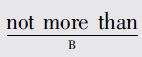 two days
  it became obvious that we
  a guide.
答案是C错,应改为when。可我认为用until在意思上、结构上似乎都没有错。请问答案正确吗?
所给答案完全正确。until在逻辑上是讲不通的,怎能说“……待了才两天,直到……为止”呢? 请注意: 这里的when≠“当”,而=“这时突然”,再如:
(2)We hadn't gone ten miles when Sam wanted to go home.
(3)I was just going out when there was a knock at the door.
请注意这种表“突然”或“出人意外”的when从句乃是一句的重心,不可移至句首。