Chapter 5 完成时态
5.6 单一事件
5.6 单一事件
我相信,凡是学过现在完成时态的读者,耳边都会经常回荡着这样一句话:
“过去的事件对现在有影响。”
本节将对这句话进行详细讨论,因为它是现在完成时态三大思维用法之一。简言之,现在完成时可以表示影响现在的过去“单一事件”。正是这一用法困扰着广大的英语学习者,它是完成时态最难理解和应用的一种用法,因为它与说话的语境密切相关,也即与上一节提到的“超语言信息”有关。我将把这句话拆分成两方面来解释:一,何谓“对现在有影响”?二,何谓“过去事件”?因此,本节内容安排如下:
5.6.1 何谓“对现在有影响”?
5.6.2 何谓“过去事件”?
5.6.3 新闻热点(hot news)——近的过去
5.6.4 过去的经历(past experience)——远的过去
5.6.5“单一事件”与时间状语的关系
5.6.1 何谓“对现在有影响”?
有这样一个小笑话,一个衣着前卫的摩登女郎,有一天她身穿吊带背心,脚蹬一双拖鞋就去了音乐厅。门口的检票员看她这身装束就很礼貌地拒绝让她进场:
“Miss, NO ADMISSION WITH SLIPPERS.”(小姐,穿拖鞋是不准进剧场的。)
这位小姐听完之后立即脱掉拖鞋并提在手中,说道:
“Really? Then I will go in barefootedly.”(哦,是吗?那我就光脚进去!)
这时,这位目瞪口呆的检票员惊叫道:
“Oh, my god! Fortunately, I have not told her NO ADMISSION WITH A VEST.”(天啊!幸好我刚才没有对她说穿背心不准进!)
这个笑话的原文是:
A modern girl went to the theater with a vest and a pair of slippers. The ticket-examiner turned her away very politely:“Miss, NO ADMISSION WITH SLIPPERS.”“Really?”the girl took off the slippers and carried them in her hands,“Then I will go in barefootedly.”“Oh, my god!”the ticket-examiner cried out,“Fortunately, I have not told her NO ADMISSION WITH A VEST.”
我们现在来分析其中用了现在完成时态的句子:
1“Oh, my god! Fortunately, I have not told her NO ADMISSION WITH A VEST.”(天啊!幸好我刚才没有对她说穿背心不准进!)
这里检票员说have not told,而没有用did not tell,这种时态差别的背后反映了重大的意义差别。如果用一般过去时态说成did not tell,这只是在陈述过去的事实“没有告诉”,而与现在没有任何关系。但是用现在完成时态说成have not told,则不仅是在陈述一个过去的行为事实,更重要的是强调这个“过去”的行为对“现在”造成的影响,是把“过去”和“现在”联系起来了。根据前几节说明的,这种横贯“过去”和“现在”的时态就是现在完成时。
但是,深入分析后,我们就会发现这句话中的现在完成时态与前面讨论的“延续”思维和“重复”思维的两种完成时态的用法显然又是不同的:首先,“告诉(told)”这一动作并没有延续到现在,因为它是短暂动作;其次,该动作也不是重复发生多次。所以这里的完成时态是这节要详细讨论的第三种完成时态用法:表示过去发生的事件对现在有影响。如下图所示:
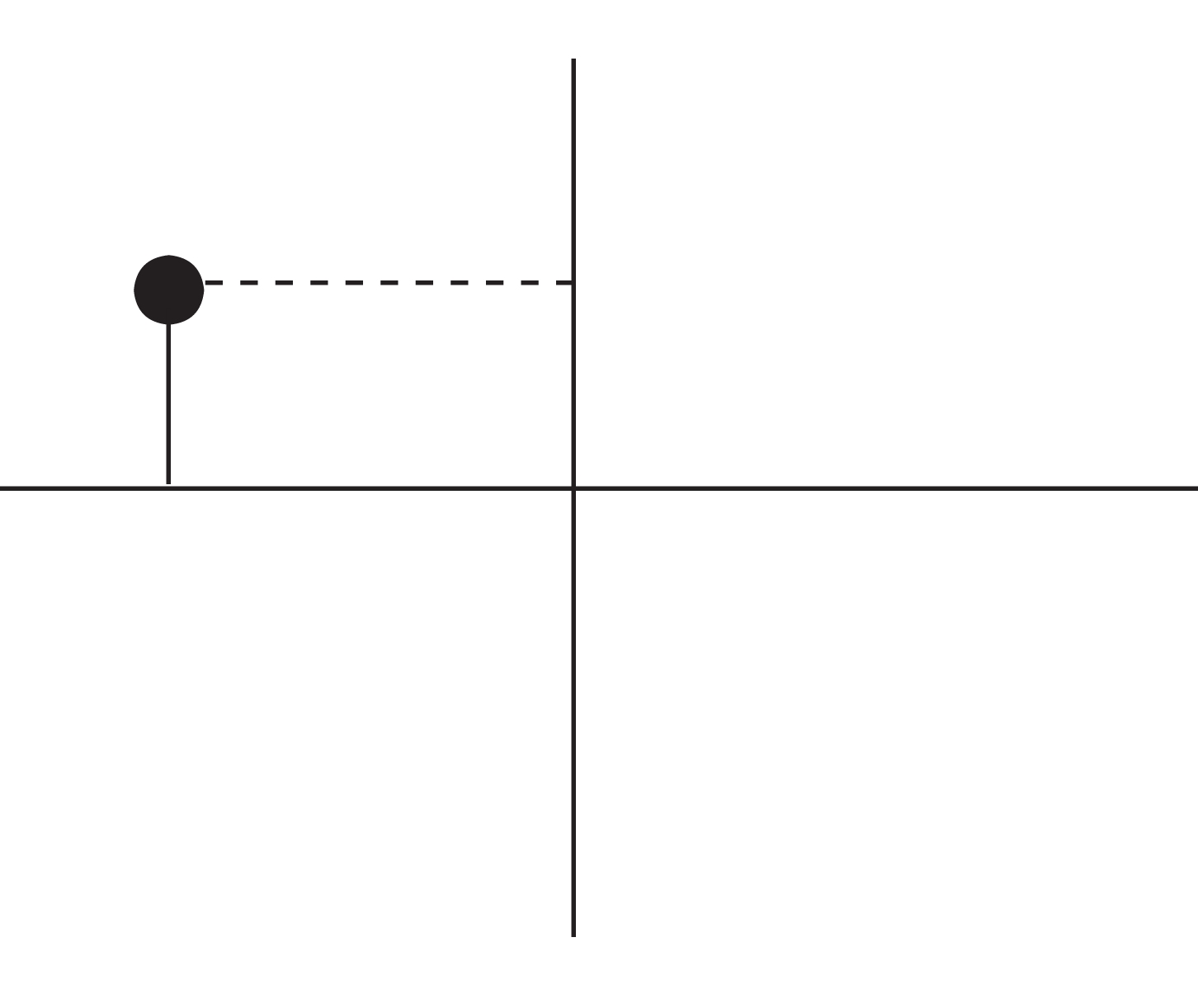
(图中黑点表示过去某一时刻发生的动作;虚线表示过去发生的动作对现在有影响。)
具体来说,就是某一个短暂事件是在过去发生并结束的,但是这一事件产生的影响是一直到现在都还存在的(We use the present perfect to refer to an activity that happened at an indefinite time in the past and that still has importance or relevance to the present situation.)。为了表述方便,我们姑且把它称为“单一事件”完成时,所以前面讨论的延续性思维和重复性思维的完成时也可分别称为“延续事件”完成时和“重复事件”完成时。
我知道,这种现在完成时的意义和用法对很多学生来说很难理解,而且很多读者从中学就学过或者是背过完成时的这一用法——表示过去发生的事件对现在有影响,但一直没有真正理解这句话,因此一直不会运用。
症结何在?
这个“对现在有影响”就是困扰我们的症结所在。前面讨论过的“延续事件”及“重复事件”两种完成时,单从句子的字面即可理解其意。而“单一事件”完成时表示的“对现在有影响”,从句子的字面本身是反映不出来的,而是与真实的说话的语境密切相关,往往表现出一种“言外之意”。
比如在上文中,那位检票员说:“Fortunately, I have not told her NO ADMISSION WITH A VEST.”。
显然,“告知(told)”这一事件是发生在刚刚的过去,用了完成时态have not told,说话人的“言外之意”是:假如我“刚才”告诉她穿背心不准进入——这是过去的行为,那么她“现在”一定会把背心脱掉,然后进去的——这就是“对现在的影响”。可见这种“对现在的影响”单从英语句子“I have not told her NO ADMISSION WITH A VEST.”,是看不出来的,只有结合上下文的语境才能体会出这个完成时态句子的言外之意:她现在一定会把背心脱掉,然后进去。
由此可见,“单一事件”完成时从句子的字面看不出“影响”,须结合上下文的语境方能理解“对现在的影响”,体会言外之意。所以,在实际使用时,我们要真实再现句子背后的语境及言外之意,这就与“超语言信息”即语言之外的信息有关。
比如,我们说:
2 David has fallen in love. 戴维恋爱了。
这句话中的has fallen是一个短暂动作,不表示延续或重复,所以是“单一事件”完成时。这一过去事件翻译成中文很简单——“戴维恋爱了”,但这简单译文的背后所反映的言外之意或说话的语境是很多读者不去关注的。显然,我们不可能平白无故地突然冒出这句话来,换句话说,这句话是出现在一定的语境背景下的,或者说这句话有一定的言外之意。那么这句话背后到底有何语境?这里只要再简单添上一个句子就能使该句的语境更完整,比如这样说:
David has fallen in love, and that’s why he’s becoming excited. 戴维恋爱了,你看他那兴奋的样子。
这里的第二句说“他很兴奋”,就是has fallen in love这个过去的短暂动作对现在造成的影响,或者说就是“单一事件”完成时的言外之意。而这一言外之意无法从David has fallen in love. 这句话的字面看出来。
下面我们再通过下列几个笑话来使读者加深理解“单一事件”完成时所表示的“对现在有影响”,即它所产生的“言外之意”:
3 A Surprise
Mr. Odds works in a bank and lives on his own. The only family he has is in the next town: his sister lives there with her husband, and her son, Mark. Last week Mr. Odds had a surprise. He drove home from the bank at the usual time, driving neither too slowly nor too fast; he parked his car where he always parked it, out of the way of other cars, and he went inside to make his evening meal. Straight away, there was a knock at the door. Mr. Odds opened the door, to find a policeman standing on the doorstep.
“What have I done wrong?”Mr. Odds asked himself.“Have I driven on the wrong side of the road? Has there been some trouble at the bank? Have I forgotten to pay an important bill?”
“Hello, Uncle,”said the policeman,“My name’s Mark.”
妙语点睛 奥兹先生怀疑自己做错的四件事都是在白天发生的,是过去的事件,而且它们既没有“延续”到现在,也没有“重复”发生到现在,而是一个过去的短暂事件。但强调对现在的影响是:警察为什么会来找他。而这一影响从上述四个完成时句子本身是看不出来的,只能反映在上下文语境中。
4 He’s Been Rude
The exceedingly stout lady indignantly tackled a bus inspector at a busy stopping-place.
“I want to report the conductor of that bus that’s just gone,”she shrilled.“He’s been rude!”
“How?”asked the bored official.
“Why?”went on the lady.“He was telling people the bus was full up, and when I got off he said: ‘Room for three inside.’”
妙语点睛 在这个故事中,“他无礼(he’s been rude)”这一事件发生在过去,对现在的影响是:胖女人很生气,要投诉他。所以,这一“对现在的影响”要通过上下文中另外的句子反映出来,而不是现在完成时的句子he’s been rude本身所能反映出来的。
5 He’s Just Been to the Zoo
When I was waiting in line at the bank, I noticed a woman holding a small child at one of the windows. The boy was eating a roll, which he thrust at the teller. The teller smiled and shook his head.
“No, no, dear,”said the boy’s mother, and then, turning to the teller,“I beg your pardon, young man. Please forgive my son. He’s just been to the zoo.”
妙语点睛 “去动物园”这个事件是发生在过去的,对现在的影响是:小男孩拿自己吃的面包卷去“喂”银行柜员(The little boy thrust the roll at the teller.),他还以为自己在喂一只动物呢!这一“对现在的影响”从完成时的句子“He’s just been to the zoo.”本身是看不出来的。
另一方面,“He’s just been to the zoo.”这一过去的事件可能会对现在造成很多不同的影响。比如我们还可以这样说:
6 He now knows what the elephant is like. He has just been to the zoo.
妙语点睛 在这句话中,“刚去动物园”这一过去的事件对现在的影响就是:他知道了大象的模样。而这些影响都是只能在上下文中通过另外的句子反映出来,而不是完成时句子本身能告诉我们的。
可见,同样一个“过去的事件”,可能有多种“对现在的影响”。而这些诸多影响从完成时句子本身是反映不出来的,而是需要上下文更多的句子来解释,比如上面的“He now knows what the elephant is like.”,或“The little boy thrust the roll at the teller.”。小男孩的这一奇怪动作就是“He has just been to the zoo.”,这句话的前提语境,也就是所谓的“对现在有影响”。
由此可见,“单一事件”的完成时态是与说话的语境密切相关的,若单独拿出完成时态的句子,我们很难理解其所要表达的真正含义,因为它所要表达的言外之意或潜含在上下文的语境中,或通过上下文的其他句子反映出来。所以,在使用中绝不应死记规则,而要真正理解完成时态的这一用法特点,要融入自己的思维。因为语言表达本质上是一种思维表达,语言只是载体,它的背后是说话人的思维!
下面我们以一封读者来信以及我的回复来结束本小节的内容。读者看完之后,一定会更加深刻地理解何谓“对现在有影响”!
读者潘××的来信:
张老师:
学生:潘××
我的回复:
潘××,你好!
所以,我们看到,一个完成时的句子若是用在真实的语境中,可能产生多少种“对现在的影响”。另一方面,同样一个“She has been to the bank.”可以理解成较远的过去事件——“她以前去过这家银行”,也可以理解成较近的过去事件——“她刚去过这家银行”。关于“近的过去事件”和“远的过去事件”,请读者继续看5.6.2、5.6.3和5.6.4小节的解读。
事实上,一个句子背后往往有着各种复杂的语境前提,这其实就是“语用学(pragmatics)”研究的范畴。因此,这里要强调的是,对于“对现在的影响”的解释,很多时候不是从句子意思本身可以得到的,而是在很大程度上依赖于语境或语用知识(The interpretation of the current influence is thus not derivable directly from the meaning of the sentence itself but is heavily dependent on context or pragmatics.)。
思维总结
本节详细讨论了完成时态的第三种用法——表示过去的事件对现在的影响。通过举例说明这一“影响”从句子本身是看不出来的,只能反映在上下文的语境中,由此看出“单一事件”的完成时态是与说话的语境密切相关的,往往体现出一种言外之意。这一节着重分析了何谓“对现在的影响”,在下一节中我们将讨论何谓“过去事件”,从而更全面地掌握“单一事件”完成时的复杂用法。
思维训练5.6.1 Key
一、下面短文是一则关于美国前总统约翰·肯尼迪的笑话,请体会文中现在完成时的言外之意,想象出或解释出各自的“现在影响”:
1. A Joke about Kennedy
After President Kennedy’s assassination, his colleagues worried over whether he would be admitted to Heaven. They well knew of his insatiable appetites for women. His chief aides were so concerned that one made a telephone call to Heaven. The call was answered,“This is Virgin Mary. May I help you?”“Yes, has President Kennedy arrived yet?”“No, he hasn’t.”
A little later the call was repeated and answered with“This is the Immaculate Mary, Mother of God. May I help you?”The aide asked the same question and was given the same answer. He waited a short time and anxiously called Heaven again. The call was answered,“This is Mary. May I help you?”The aide put down the phone, turned to his fellow mourners and said,“The President is in Heaven.”
二、下面短文讲的是英国大侦探夏洛克·福尔摩斯和他的好友华生医生在野营中被盗的故事。请想象出或解释出各自的“现在影响”:
A Camping Trip
Sherlock Holmes and Dr. Watson go on a camping trip. After a good dinner and a bottle of wine, they retire for the night, and go to sleep. Some hours later, Holmes wakes up and nudges his faithful friend.“Watson, look up at the sky and tell me what you see.”
“I see millions and millions of stars, Holmes,”replies Watson.
“And what do you deduce from that?”
Watson ponders for a minute.“Well, astronomically, it tells me that there are millions of galaxies and potentially billions of planets. Astrologically, I observe that Saturn is in Leo. Horologically, I deduce that the time is approximately a quarter past three. Meteorologically, I suspect that we will have a beautiful day tomorrow. Theologically, I can see that God is all powerful, and that we are a small and insignificant part of the universe. What does it tell you, Holmes?”
Holmes is silent for a moment.“Watson, you idiot!”he says,“Someone has stolen our tent!”
三、请分析下列句子的言外之意,想象出或解释出各自的“现在影响”:
3. He has broken his leg.
4. A: What has happened to Jane? She is crying.
B: She broke the dining-room window. She has to face the music when her father gets home.
5. A: Frank is certainly in a good mood.
B: The bargain he got on his new stereo has made him happy.
5.6.2 何谓“过去事件”?
在上一小节中,我们讨论了“单一事件”完成时,通过举例详细分析了何谓过去的事件“对现在有影响”。分析完“对现在的影响”之后,这一节将讨论“过去事件”。看到这里,一定有读者感到甚为奇怪——“过去事件”有什么好讨论的?不就是过去发生的事件嘛?其实不然,这里的“过去”大有文章可做。比如下面这个对话:
1 A: Has the postman left any newspapers?
B: Yes, he did six months ago. *
看了这个对话,各位读者是不是觉得有些怪怪的?问题就出在B的回答上,B的回答除非是在开玩笑,否则就会显得很荒唐,因为我们期待的答案应该是一个比较近的过去时间。比如他可以说:
B: Yes, he did this morning. (送了,他今天上午就送过来了。)
这里B的回答在上下文的语境中显然就比上面的回答真实、自然。由此可见,“过去事件”中的这个“过去”应该有离现在较近和较远之分。因为,从时间的角度来看,“过去事件”是表示“到目前为止的过去任何某一时间点发生的事件”,这个“过去任何某一时间点”当然是不确定的,因此可以指离现在很近的过去,也可以是离现在较远的过去。于是,“单一事件”的完成时既可以表示发生在最近的动作,也可以表示发生在较远的过去的动作,具体情况要看上下文的语境。比如上面这个例句就应该是“近的过去”事件。再比如,读者一定还记得下面这个例句:
2 David has fallen in love, and that’s why he’s becoming excited.
妙语点睛 这个例句就应该理解为恋爱这个事件是发生在“近的过去(quite recently)”,而且对现在的影响是he’s becoming excited(The action took place in the past, but it is implied that it took place quite recently. Furthermore, it is implied that it is still relevant at the time of speaking—David has fallen in love, and that’s why he’s becoming excited or behaving strangely.)。
上面这两个例句讲的是,根据上下文只能作为“近的过去”事件来理解。但是有时对于同一个句子,按照“近的过去”与“远的过去”两种意义都可以理解,但两者表达的意思不一样。再看看下面这个TOEFL听力考试中的句子:
3 Have you asked your little brother to do the dishes?
这句话到底该如何翻译呢?请读者现在不要继续往下读,给自己30秒的时间思考,然后给出你的答案。
……
“OK, time is up!(时间到!)”,各位都有答案了吗?
首先,大家要知道,这里的短语do the dishes是wash the dishes的意思,也就是“刷碗”的意思。这个句子该如何翻译呢?首先,它不能译成延续状态,因为我们强调过,表示延续状态的完成时一般必须同时满足两个条件:句子的谓语是延续性动作或状态(continuous action or state);句子带有延续性的时间状语(durational adverbials)。这里,ask不是延续性动词且句中没有延续性的时间状语,因此这里的完成时态不是表示延续状态,所以不能把它翻译成“一直让你弟弟刷碗”。
其实,这个英语句子是有歧义(ambiguous)的。产生歧义的原因是我们既可以把asked作为“近的过去”来理解,也可以作为“远的过去”来理解。请看下面的译文:
妙语点睛 显然,这两句译文所使用的语境是不同的。
在句1)中,问话的人一般应该是你的家人,比如说你妈妈。设想这样一个场景:因为正要开饭了,而她找不到干净的碗碟,所以她问你:“你让你弟弟把碗刷了吗?”她现在关心的是有没有干净的餐具可以用——这就是用现在完成时所要表达的“对现在的影响(current influence)”。在句2)中,问话的人一般不可能是你的家人,应该是你的朋友。设想这样一个场景:你和朋友们正在聊兄弟之间的关系,你告诉你朋友说,你喜欢让你弟弟做各种各样的事情,比如让他为你洗衣服、替你做功课、给你做饭等等,这时候你的一个朋友问你:“那你有没有让你弟弟刷过碗呢?”
比如我们把上面两个译文分别放在下面两个不同的语境中:
3) A: Have you asked your little brother to do the dishes?(你让你弟弟把碗刷了吗?)
B: No. I did that myself this morning.(没有,今早我自己刷的。)
4) A: Have you asked your little brother to do the dishes?(你有没有让你弟弟刷过碗?)
B: Thousands of times.(无数次了。)
可以看到,同样一个句子“Have you asked your little brother to do the dishes?”可以用在两个截然不同的语境中,从而产生两种不同的中文解释——一个表示最近发生的“单一事件”,另一个表示比较远的过去事件。
由此可知,对于“单一事件”的完成时态,虽然该事件发生的过去时间是不确定的,但我们可以大概地区分为“近的过去(near past)”事件和“远的过去(distant past)”事件,因而所表达的意思也不一样。不过,这种时间上的远近是需要借助上下文的语境才能作出区分的,单从完成时态句子本身是无法区分的。因此可以说,“单一事件”的完成时态,若是离开语境,几乎无法理解它所要表达的真正含义。再来看一个例子:
4 I have cleaned the car.
该如何理解这句话?是作为“近的过去”事件译成:
还是作为“远的过去”事件译成:
对此,需要更多的上下文才能确定其确切含义。我们可以为这个英文句子补充更完整的语境如下:
1) I have cleaned the car. So it’s ready for tomorrow. 我已经把车洗干净了,明天可以用了。
2) A: You’ve never cleaned the car yourself. You’ve always paid someone to do it.
B: That’s not true. I have cleaned the car, you know. Several times.
当然,在实际的口语交际中,一般都会有比较完整的语境来帮助我们判断该如何理解“单一事件”完成时句子。比如下面这个句子来自我的一位美国朋友给我的邮件:
5 Sorry, but something has come up. I won’t be able to teach at this time. Maybe in a few months. I’ll let you know.
妙语点睛 这里的has come up显然是表示“近的过去”事件。
对于上面讨论的有歧义的完成时态的句子,我做过测试,发现大多数中国学生一般只能理解一个意思,即作为“近的过去”事件来翻译,而很少有人作为“远的过去”事件来理解。对于这两类过去事件,接下来的两节中将有更详细的讨论,并将讨论在汉语译文中如何区分这两类事件。
思维总结
本节内容给读者两点启示:一,完整的语境对于语言理解非常重要,尤其是“单一事件”的完成时态,若是离开语境,我们几乎无法理解它所要表达的真正含义;二,“单一事件”的完成时态有“近的过去”与“远的过去”这两种意义上的区分,因而所表达的意思也不一样。
思维训练 5.6.2 Key
请分析下列句子可能有的含义。
Have you passed your driving test?
5.6.3 新闻热点(hot news)——近的过去
在上一小节中我们区分了“近的过去”和“远的过去”。这一小节将详细讨论“单一事件”的完成时态用于“近的过去”事件所表达的意义,下一小节将讨论“单一事件”的完成时态用于“远的过去”事件所表达的意义。
当“单一事件”的完成时态用于“较近的过去”时,往往会产生一些特殊的语义效果,包括:
1. 所造成的现在结果往往是直接具体或依然清晰可见的;
2. 具有最新热点新闻的效果;
3. 完成时提起话题,过去时继续详谈内容。
一、所造成的现在结果往往是直接具体或依然清晰可见的
这种表示“最近”动作的现在完成时态用在日常生活当中,表示所造成的现在结果往往是直接具体或依然清晰可见的。例如:
1 A: Look! Somebody has spilt milk on the carpet.
B: Well, it wasn’t me. I didn’t do it.
A: I wonder who it was then.
妙语点睛 这里对现在造成的“清晰后果”是:地毯被弄脏了,上面现在还有牛奶渍。
再来看下面这个关于电脑报错的句子:
2 A problem has been detected and Windows has been shut down to prevent damage to your computer. If this is the first time you’ve seen this stop error screen, restart your computer. If this screen appears again, follow these steps.
妙语点睛 操作电脑时,如果出现了病毒或其他原因导致电脑死机,有时会出现电脑报错信息,这时往往出现蓝屏,上面就出现这样的几行字,读者以后不妨注意一下。这里的完成时态表示的显然就是“刚刚”发生的错误,然后导致的直接后果就是出现了死机、无法操作等等。
另外,关于该句中的…you’ve seen…这个现在完成时态,我们将在5.8节讨论。
其他例句如:
3 Who’s taken my dictionary? It isn’t on my desk. 谁拿走了我的词典?它不在桌上了。
4 Someone has broken the window. 有人把窗户打破了。
5 The car has arrived. 车子到了。
二、具有最新热点新闻的效果
因为是表示最近才发生的动作,因而具有“新闻”的性质,常常用来提供最新热点新闻(hot news),所以往往用在新闻报道中。比如2003年12月14日萨达姆被抓时,各大媒体立即在新闻报道中说:
6 Saddam Hussein has been captured alive in his hometown of Tikrit, the U.S. military said Sunday Dec. 14, 2003.
再比如,2004年10月11日美国著名影星、“超人”的扮演者克里斯托弗·里夫(Christopher Reeve)去世时,路透社(Reuters)用现在完成时态这样报道:
7“Superman”actor Christopher Reeve, paralyzed when he fell from a horse nine years ago, has died in a New York hospital of heart failure, his publicist said on October 11, 2004.
在日常对话中,完成时态的这个用法常常用来提供最新消息。比如某个名人刚刚去世,这往往是个大新闻,这时就会用到现在完成时态。比如:
8 I hear that famous Chinese comedian has died. 我听说那位著名的中国喜剧明星去世了。
9 The President has been assassinated. 总统被暗杀了。
但是,如果某个名人的“死亡”不是刚刚发生的,而是离现在的时间比较远了,就要改用一般过去时态了。比如肯尼迪总统是被刺杀的,但因为是很久远的事情了,所以要用一般过去时态来表达:
10 John F. Kennedy was assassinated.
妙语点睛 如果用现在完成时态则听起来会比较奇怪:
John F. Kennedy has been assassinated. *
因为这个句子听起来给人的感觉是“肯尼迪刚刚被暗杀”,这显然不符合现实的语境了,所以这个句子被认为是错误的。
三、时态搭配:现在完成时+一般过去时
另外值得注意的是,口语对话中常出现“现在完成时+一般过去时”的时态搭配使用。此时,我们用“现在完成时”提起一个新闻话题,用“一般过去时”继续详谈内容(Topic: Present Perfect; Details: Past Simple)。这是因为,现在完成时属于现在时态,所以我们并不关心动作发生的具体的过去时间是远还是近,而是关注这一过去事件对现在的结果或对现在造成的影响,即不关注事件的发生时间,而关注事件的内容。因而,在实际生活对话中,通常先用现在完成时开始提出一个谈论的话题,随着对话的继续,动作发生的过去时间在说话人的脑子里已经确定了。所以,如需进一步详细说明事件的内容,如when,where,how和why等,则通常用一般过去时(In hot news texts,present perfect regularly contrasts with past simple in the same text,where the topicalizing sentence uses present perfect,while the details of the narrative are in past simple.)。(注意:“现在完成时+一般过去时”这一时态搭配同样适用于将于下一节讨论的“远的过去”完成时,但意义有所不同。)
比如,上文关于萨达姆被捕的新闻报道中,接下去详谈细节内容,就需要改为一般过去时态了。请看下面继续报道的内容:
11 Saddam Hussein has been captured alive in his hometown of Tikrit, the U.S. military said Sunday Dec. 14, 2003. A force of 600 American soldiers captured Saddam Hussein in a raid on Saturday night on an isolated farm near Tikrit, American military officials said. U.S. administrator L. Paul Bremer told a news conference that Saddam was captured Saturday at 8:30 p.m. in a cellar in the town of Adwar, 10 miles from Tikrit. The former Iraqi president was found, haggard and grubby but alive, hiding at the bottom of an 8-foot-deep hole.
所以,这种“现在完成时+一般过去时”的时态搭配关系在新闻报道中常常出现,读者在阅读报纸时不妨多多关注。这一用法与上面第二点提到的用完成时来“提供最新热点新闻”有关。比如,若你要把萨达姆被捕这一新闻告诉你的朋友,你一开始应该用现在完成时,接下去的对话则应改为过去时:
12 A: The former Iraqi President Saddam has been captured.
B: Really? When did that happen?
A: He was captured Saturday at 8:30 p.m. in a cellar on an isolated farm near Tikrit.
比如,对于克里斯托弗·里夫病逝的消息,路透社用“现在完成时态+一般过去时态”这样报道:
13“Superman”actor Christopher Reeve, paralyzed when he fell from a horse nine years ago, has died in a New York hospital of heart failure, his publicist said on October 11, 2004. Reeve, 52, went into a coma on Saturday when he suffered a heart attack during treatment for an infected pressure wound and died on Sunday afternoon without regaining consciousness, publicist Wesley Combs told reporters. (Marion Curtis/Reuters)
再比如,2007年12月27日,巴基斯坦前总理贝·布托(former Pakistani prime minister Benazir Bhutto)遇刺身亡。英国的《卫报》(The Guardian)在一篇“讣告(obituary)”中是这么说的:
14 The Pakistani opposition leader Benazir Bhutto, who has been killed, aged 54, in a bomb attack at a political rally in Rawalpindi—the northern town where she had once gone to school—died as she had lived, plunged deep in the chaotic political life of Pakistan, a victim, as well as in part a culprit, of its chronic instability. She was back in the country after spending more than eight years in exile to avoid corruption charges.
当天该报有记者撰文猜测这是谁干的:
15 Benazir Bhutto has been assassinated. Who did it? The blunt answer is no one knows and no one is likely to know for the foreseeable future. The range of suspects is of course vast.
读者可以看到,上面的英语新闻报道中的时态使用是用“现在完成时”提起一个新闻话题,如who has been killed和“Benazir Bhutto has been assassinated.”;用“一般过去时”继续详谈内容, 如“Who did it?”。如果在多年以后再谈起这次刺杀事件时,就不会再用现在完成时态了,因为已不再是新闻。
再比如,上面提到的例句8和例句9,接下去继续对话可能会是这样的:
16 A: I hear that famous Chinese comedian has died.
B: Really? When did she die?
A: She was dead late last night.
17 A: The President has been assassinated.
B: Really? When did that happen?
A: He was killed last night when he spoke in the crowd.
思维总结
这里讨论的是“单一事件”的现在完成时态用于“近的过去”所表达的意义和用法,即用来表示较近的过去:谈论热点新闻,或某事件的直接后果。同时,要注意这样的时态搭配规律:现在完成时提起话题,过去时继续详谈内容,简言之就是“现在完成时+一般过去时”。
至于“单一事件”的完成时用于“较远的过去”,我们将在下一节讨论。
思维训练 5.6.3 Key
请用适当的时态填空。
1. A: Clint ______ (break) his leg. (报告最新消息)
B: Really? How ______ that ______ (happen)? (询问具体经过)
A: He ______ (fall) off a ladder. (阐明过去原因)
2. A: Look! Somebody ______ (spill) milk on the carpet. (报告最新情况)
B: Well, it ______ (be, not) me. I ______ (do, not) it. (陈述过去的情况)
A: I wonder who it ______ (be) then. (质疑当时的情况)
5.6.4 过去的经历(past experience)——远的过去
一、表示过去经历的现在完成时
5.6.2小节讨论了“单一事件”可以区分为“近的过去”和“远的过去”。5.6.3小节讨论了“近的过去”单一事件的意义和用法。现在要讨论的是“远的过去”单一事件的意义和用法。
当谈论一个发生在离现在时间较远的过去的某个事件时,常常含有回顾自己曾经的经历的意味。所以,如果把现在完成时用于指较远的过去的事件,这时的完成时往往用来谈论人们过去的经历或经验(past experience)。
先来看看下面这篇很有趣的文章,它是美国《读者文摘》(Reader’s Digest)杂志做过的一项关于“你有多诚实(How honest are you?)”的调查。有近3,000人参加了这次调查,结果,他们的回答让他们自己都大吃一惊。很多人在参加这个调查之前,都信誓旦旦地说自己很诚实,但在接受了这个调查之后,有些人便不再如此自信了。所以,在这里如果有读者自信自己够诚实,那么请先“诚实”地回答下列这些问题吧:
1 Have You Ever…?
Called in sick at work when not ill?
Taken office supplies from your company?
Taken anything valuable from your company for personal use?
Misstated facts on a resume/job application?
Shifted blame to a co-worker for something you did?
Been undercharged/received too much change from a cashier and not told him?
Downloaded music from an Internet site without paying for it?
“Cheated”on your tax return (not declared income or even-reported deduction)?
Switched price tags to get a lower price for something you want to buy?
Lied to friends or family members about their appearance, to avoid hurting their feelings?
Knowing you had little chance of getting caught, driven more than 20 m.p.h. (miles per hour) over the speed limit or gone through a red light?
Lied to your spouse or partner about the cost of a recent purchase?
Lied to your spouse or partner about your relationship with another person?
回答完上面的13个问题之后,是不是发现自己对很多问题的回答都是Yes呢?其实这也没什么,因为“人非圣贤,孰能无过”。《读者文摘》的调查结果显示,在被访问者中,几乎每个人都承认自己曾经有过不诚实的行为。只有39位“圣人”级人物(约占1. 5%)声称他们没有做过上述13种不诚实行为中的任何一种——当然这前提还得是他们要完完全全说了实话。只有一个受访者良心发现承认做过所有的行为。平均而言,受访者对5个问题的回答是肯定的。下面是对每个问题回答“是”的百分比统计结果:
问题1:63% 问题2:63% 问题3:16% 问题4:18%
问题5:13% 问题6:50% 问题7:37% 问题8:17%
问题9:12% 问题10:71% 问题11:71% 问题12:32%
问题13:28%
做完这个测试,读者应该是更加清楚地知道自己到底有多诚实了。现在我们从语言的角度分析一下这篇短文的造句规律。读者一定发现了,13个句子中的谓语都是用了过去分词,然后与标题中的Have you ever…一起构成了在完成时态,比如:
1) Have you ever called in sick at work when not ill?
2) Have you ever taken office supplies from your company?
3) Have you ever taken anything valuable from your company for personal use? 等等。
这些问题涉及的时间跨度很长,其中伴有时间副词ever(曾经)来强调这个时间跨度。正如有受访者所言:“‘曾经’是一个很长的时间范畴(Ever is a long time.)”,它包括从出生以来到目前为止的任何一个过去的时间点,这正是现在完成时态的第三种思维——“单一事件”完成时。所以,上述句子都用了现在完成时态。另外,这里的完成时句子都是表示过去的经历,具有“远的过去”事件的意味。
在美国史诗巨片《特洛伊》里有这样一个场景:特洛伊王国的大王子赫克托耳(Hector)发现弟弟帕里斯(Paris)将斯巴达王后海伦(Helen)偷偷带上船后,他敏感地预知一场战争将会不可避免地爆发。作为长兄,他严厉地批评了弟弟这种仅为自私的爱情而置国家命运于不顾的愚蠢做法,他质问弟弟帕里斯道:“你说你爱海伦,那你对父王的爱呢?你对整个特洛伊王国的爱呢?你知道父王为了特洛伊的和平,征战了多少年?现在你把这个女人带到船上,整个特洛伊都将会为之毁灭!”听了哥哥的这番训斥,帕里斯说道:“如果你想把海伦送回斯巴达,那就送回去好了,但我将和她一起回去!(If you want to take Helen back to Sparta, so be it! But I go with her!)”,但是作为特洛伊的大王子,海克特肩负着父王普里阿摩斯(Priam)的重托和保护弟弟帕里斯的责任,他不可能看着弟弟去送死,但同时他严肃地警告帕里斯战争和死亡的残酷性:
2 Hector: To Sparta, they’ll kill you.
Paris: Then I’ll die fighting.
Hector: Oh, and that sounds heroic to you, doesn’t it? To die fighting. Tell me, little brother, have you ever killed a man?
Paris: No.
Hector: Ever seen a man die in combat?
Paris: No.
Hector: I’ve killed men and I’ve heard them dying and I’ve watched them dying and there’s nothing glorious about it, nothing poetic. You say you’re willing to die for love but you know nothing about dying and you know nothing about love!
Paris: All the same, I go with her. I won’t ask you to fight my war.
Hector: You already have.
在这里,赫克托耳质问他弟弟:“你说你要奋战到死,这听起来像个大英雄,是吧?那我来问你,你杀过人吗(have you ever killed a man)?你见过战争中死人吗(Ever seen a man die in combat)?我杀过人,我听过无数的人在战争中呻吟,目睹他们死亡(I’ve killed men and I’ve heard them dying and I’ve watched them dying),这些并不光荣和诗意。你说你愿意为爱而死,可你对死亡一无所知,对爱也一无所知!”我们看到,赫克托耳在这里用了五个现在完成时态,一方面显示出弟弟帕里斯对于战争的残酷性的无知,另一方面表明了自己拥有丰富的作战经历。
我们现在来分析这里的五个现在完成时态:
1) …have you ever killed a man?
2) (Have you) Ever seen a man die in combat?
3) I’ve killed men and I’ve heard them dying and I’ve watched them dying and there’s nothing glorious about it, nothing poetic. You say you’re willing to die for love but you know nothing about dying and you know nothing about love!
妙语点睛 这里的第一个完成时have ever killed是赫克托耳问弟弟帕里斯:“……你杀过人吗?”这显然是表示曾经的经历,相当于一个“远的过去”事件,而不是表示“近的过去”事件,否则会译成“你刚刚杀了人了吗?”这里的ever排除了这个意思;第二个完成时“Ever seen a man die in combat?”同样是表示曾经的经历,是一个“远的过去”事件;最后三个现在完成时态“I’ve killed…I’ve heard…I’ve watched…”则是相当于前面说的“重复”事件,这里的动作killed, heard和watched显然是多次重复发生的。
赫克托耳:哦,你说你要奋战到死,这听起来像个大英雄,是吧?那我来问你,兄弟,你杀过人吗?
赫克托耳:你见过战争中死人吗?
赫克托耳:我杀过人,我听过无数的人在战争中呻吟,目睹他们死亡,这些并不光荣和诗意。你说你愿意为爱而死,可你对死亡一无所知,对爱也一无所知!
赫克托耳:你已经这样了。
二、时态搭配一:现在完成时+一般过去时
5.6.3小节中提到过,在“现在完成时+一般过去时”这个时态搭配中,一般用完成时提起一个新闻话题,然后用一般过去时继续详谈这个新闻的内容。那里的现在完成时是表示“近的过去”事件。现在,这一时态搭配中的现在完成时也可以用来谈“远的过去”事件,此时用完成时询问对方过去的经历,然后用一般过去时继续详谈这个经历的具体情况(The present perfect often serves to introduce a topic, which in turn becomes a definite event and is talked about using the past tense.)。比如:
3 A: Have you seen the film Forrest Gump?(询问对方过去的经历)
B: Yes, I have. (现在知道电影的内容)
A: When did you see it?(关心看电影的过去的具体时间)
B: I saw it last spring. (给出具体时间)
A: Did you see it alone?(询问当时的情况)
B: No, I saw it with my boyfriend. (提供过去的事实)
4 A: Hey, this sounds good—snails with garlic! Have you ever eaten snails?
B: No, I haven’t.
A: Oh, they’re delicious! I had them last time. Like to try some?
B: No, thanks. They sound strange.
可见,在“现在完成时+一般过去时”这个时态搭配中,现在完成时可以表示“远的过去”事件,来询问某人过去的经历。另一方面,这种表示“远的过去”完成时还可以用于下列时态搭配,即“一般过去时+现在完成时”。
三、时态搭配二:一般过去时+现在完成时
我们刚才讨论的是“现在完成时+一般过去时”的搭配使用:用“现在完成时”提起新闻话题,用“一般过去时”继续详谈内容。有趣的是,也可以用相反的时态搭配,即“一般过去时+现在完成时”:用一般过去时讲述自己过去的经历,然后用现在完成时探询对方是否有相似的经历,以期望获得更多的理解或共鸣。请看下列口语对话中是如何使用这一时态搭配的:
5 John: We went down into Juarez and through El Paso, and oh, we had a ball.
Louise: Really?
John: Yeah. Have you ever been to—have you ever heard of Juarez?
Louise: I’ve heard of both of them because my girlfriend’s old boyfriend was stationed in El Paso.
John: Well, we went to Juarez…
妙语点睛 这里约翰在用一般过去时讲述自己在华雷斯的经历,但在继续讲故事之前,他从过去时态的叙述转到一个现在完成时态的询问(Have you ever been to—have you ever heard of Juarez?),以此来探询路易斯是否了解华雷斯这个地方。而路易斯在展示自己的有关知识时也使用了现在完成时(I’ve heard of both of them…),表明自己对华雷斯有所了解。而这个“现在的了解”是因为过去听说过那个地方——即过去的事件对现在有影响。
请再看下面这段文字,这里作者在讲述自己一次去看摔跤比赛的经历:
6 We got to the Civic Center about an hour early, since I didn’t have tickets yet, and I knew that it would be crowded. If you’ve never been to a professional wrestling match, you really should go—not for the wrestling, but for the crowd—eight to ten thousand people, wearing their favorite wrestler’s T-shirts and screaming their heads off. I’ve been to rock concerts that weren’t as loud.
妙语点睛 作者在if引导的条件状语从句中使用了现在完成时态“If you’ve never been to…”来探询读者是否有观看职业摔跤比赛的经历,并建议如果没有看过就应该去看一场。作者接下来用摇滚音乐会做比较时,也用了现在完成时“I’ve been to…”谈自己的经历,随后即转为一般过去时weren’t来具体谈过去的情况。
同样的时态搭配用法也见于《老友记》(Friends)里的一个场景:菲比(Phoebe)有一个双胞胎妹妹叫厄休拉(Ursula),两人感情十分不和。据菲比说,原因是厄休拉从小就爱抢菲比的东西,然后故意把它弄坏。这一恶习发展到她们长大以后,厄休拉还爱抢菲比的男朋友。比如,菲比有个男友,同时也是她最好的朋友,叫兰迪·布朗(Randy Brown),后来厄休拉生生地把他从菲比手中抢走了,然后又故意把兰迪甩掉,让他伤心。结果,弄得兰迪和菲比连朋友都做不了了,他怕见到菲比会想起厄休拉,因为两人长得太像了。从此,兰迪再也不和菲比说话了。这当然让菲比很郁闷,所以她向蕾切尔(Rachel)和莫妮卡(Monica)诉苦,讲述自己这个痛苦的经历:
7 Monica: Are you alright?
Phoebe: Yeah. It’s just, you know, it’s this whole stupid Ursula thing, it’s…
Rachel: Okay, Phoebe, can I ask? So, he’s going out with her. I mean, is it really so terrible?
Phoebe: Um, yeah. Look, I mean, I’m not saying she’s like evil or anything. She just, you know, she’s always breaking my stuff. When I was eight, and I wouldn’t let her have my Judy Jetson thermos, so she threw it under the bus. And then, oh, and then there was Randy Brown, who was like… Have you ever had a boyfriend who was like your best friend?
Monica and Rachel: (wistfully, shaking their heads) No.
Phoebe: Well, but that’s what he was for me. And she, you know, kind of stole him away, and then…broke his heart…and then he wouldn’t even talk to me any more. Because he said he didn’t wanna be around…anything that looked like either one of us.
Rachel: Oh…Oh, Phoebe.
Phoebe: I mean, I know Joey is not my boyfriend, or my thermos, or anything, but…
妙语点睛 这里菲比先用一般过去时态讲述她和厄休拉从小就不和(…she’s always breaking my stuff. When I was eight, and I wouldn’t let her have my Judy Jetson thermos, so she threw it under the bus. And then, oh, and then there was Randy Brown, who was like…)。然后,菲比从一般过去时态换为现在完成时态问道“Have you ever had a boyfriend who was like your best friend?”,以此来探询莫妮卡和蕾切尔是否有“男朋友同时也是最好朋友”的经历。这里菲比问的目的当然是希望博取两人更多的理解和同情了,但两人没有这样的经历(尽管很渴望有〈wistfully〉)。不过,菲比还是自顾自地把自己的遭遇讲出来了(Well, but that’s what he was for me. And she you know, kind of stole him away, and then…broke his heart…and then he wouldn’t even talk to me any more. Because he said he didn’t wanna be around…anything that looked like either one of us.)。
四、时态搭配三:一般现在时+现在完成时
在上面讲的“一般过去时+现在完成时”搭配中,说话者用一般过去时讲述自己过去的经历,然后用现在完成时探询对方是否有相似的经历,以期望获得更多的理解或共鸣。但是如果说话人谈到的是一般常见的经历,而不是指某一次具体的过去的经历,那么他会用一般现在时态,然后接一个现在完成时态,来探寻听话者/读者是否有过类似的经历。比如在下面这个例子中,作者谈论到中国餐馆服务质量差的现象:
8 Give Me Some Service, Will Ya?
All you want is a fresh pot of tea. First, you snap your fingers. Then you wave your hand. Finally, you yell for some service. Fuwuyuan (waiter)!
You’ve been there, right?
In my opinion, the threat of withholding a tip—or the reward of handing it out—is the only tool the customers have in the long struggle for decent service.
妙语点睛 这里作者一开始采用一般现在时态来描述一个常见的情景,然后用现在完成时态来探寻读者是否也有过类似的经历。作者最后认为,要想提高中国餐馆的服务质量,付小费是唯一的出路。
你所要的就只是一壶现沏的茶而已。开始时,你打着响指想引起服务员的注意,这招不行,于是你挥舞着手想引起对方注意,这招还不管用,最后你只好大声叫道:“服务员!”
注意,上面这段话里的you have been there的意思不是“你去过那个地方吧”,而是“你也有过类似的经历吧”。比如下面这个句子:
9 I’m going through this divorce. I know you’ve been there before, but mine is turning into a real legal battle.
思维总结
本小节讲的是“单一事件”的完成时用于“远的过去”,往往表示人们过去曾经的经历。在口语中,现在完成时态有时会和一般过去时搭配使用,说话者先用一般过去时讲述过去的经历,然后用现在完成时探询对方是否有相似的经历,即为“一般过去+现在完成(远的过去意义)”。同时请注意,这不同于“现在完成(通常是近的过去意义)+一般过去”。
思维训练 5.6.4 Key
一、请根据不同的回答,使用正确时态填空。
1. A: Have you ever worked in a restaurant?
B: Yes. I ______ (work) in many ones.
B: Yes. I ______ (work) in a French one last year.
2. A: Have you ever been to the Great Wall?
B: Yes. I ______ (be) there many times.
B: Yes. I ______ (go) there last spring.
3. A: Have you read this book?
B: Yes. It ______ (be) interesting.
4. A: Have you ever taken a French course?
B: Yes. I ______ (take) a French course in high school.
5. A: Have you ever studied French?
B: Yes, I ______ (study) French for two years.
二、请用完成时态询问你的朋友是否有下列经历。
6. Lend money to a friend
7. Be on television
8. Meet a famous person
9. Break an arm or leg
10. Go to court
11. Find money on the street
12. Be cheated
13. Tell a lie
14. Take a flight
15. Go to Disneyland
16. Study abroad
17. Order products over the Internet
三、看看在下面工作面试场景中,native speakers是怎样谈自己以往工作经历的。请在空格中填上适当的时态。
18. A: May I help you?
B: Yes. I would like to apply for one of the security guard positions you advertised in the local paper.
A: Good. May I ask you a few questions first?
B: Certainly.
A: ______ you ______ (ever, work) as a security guard before?
B: Yes, at shopper’s plaza San Francisco and at the Regency Hotel here in town.
A: How many years of experience ______ you ______ (have) as a security guard?
B: A little over four years.
A: ______ you ______ (have) experience monitoring alarm systems?
B: Yes. I ______ (monitor) several types of alarm systems in my previous job.
A: Very good. You seem to meet our minimum qualifications. Complete this application form and bring it back to me. Then I’ll
schedule you for another interview.
B: Thank you. I’ll fill this out now.
四、请用正确的时态完成下面对话。
19. A: What jobs ______ (did you have/have you had)?
B: Well, I once ______ (have had/had) a job on a cruise ship.
A: What ______ (have you had/did you have) to do?
B: I ______ (have organized/organized) activities for the passengers.
A: What ______ (have you liked/did you like) about it?
B: Well, working on a cruise ship ______ (has been/was) terrific. I really enjoyed…
A: ______ (Were there/Have there been) any bad points?
B: Oh, sure. Every job has its bad points. I didn’t like…
20. Isabel: I went to Sunrise Beach last week. ______ (Did you ever go/Have you ever been) to Sunrise Beach, Andy?
Andy: Yes, ______ (I did/I have). It’s beautiful. ______ (Did you go/Have you gone) there on the weekend?
Isabel: Yeah, ______ (I did/I have). I ______ (went/have gone) on Sunday. ______ (I got up/I’ve gotten up) at 4:00 a.m.
Andy: Wow! ______ (I never woke up/I’ve never woken up) that early!
Isabel: Oh, it wasn’t so bad. I ______ (got/have gotten) to the beach early to see the sunrise. ______ (Did you ever see/Have you ever seen) sunrise, Andy?
Andy: No, ______ (I didn’t/I haven’t). I prefer sunsets to sunrises.
Isabel: Really? Then I ______ (went/have gone) swimming around 6:00, but there were some strange dark shadows in the water. ______ (Did you ever hear/Have you ever heard) of sharks at Sunrise Beach?
Andy: Yes, ______ (I did/I have). I ______ (heard/have heard) a news report about sharks last summer.
Isabel: Gee! Maybe I ______ (had/have had) a lucky escape on Sunday morning! Why don’t you come with me next time?
Andy: Are you kidding?
5.6.5“单一事件”与时间状语的关系
本小节将探讨“单一事件”的现在完成时态与时间状语的搭配关系。
一、“单一事件”完成时的肯定句不与持续的时间状语连用
这种完成时态的谓语动词通常是短暂动词,即指动作在短时间或瞬间内就已终止,而不再延续。常见的这类动词有:come,go,leave,kill,die,lose,buy,start,give,marry,join和bring等。因为动作本身无法延续,因此与它连用的时间状语不能是指“一段时间”的,如for a year等。这恰好与“延续事件”的完成时相反——“延续事件”的完成时必须加持续的时间状语,而“单一事件”完成时态不能加持续性的时间状语,这在5.4.2小节中曾提到。比如不能说:
I have bought this pair of shoes for a year. *
I have married for over a year. *
I have fallen in love for eight years. *
He has left his hometown for three years. *
再比如,汉语里完全可以说“这部电影我看了有两年了”,但在英语里却不能用现在完成时态这样表达:
I have seen the movie for two years. *
因为这里句子的谓语动词是短暂性的,不能表示延续,因而不能与since或for等引导的持续性的时间状语连用。只要把“动作(action)”转化为“状态(state)”即可,因为状态是可以延续的。比如上面几个错误的句子可以分别改为相应的“状态”:
1 I have had this pair of shoes for a year. 这双鞋我买了有一年了。
2 I have been married for over a year. 我结婚有一年多了。
3 I have been in love for eight years. 我恋爱有八年了。
4 He has been away from his hometown for three years. 他离开家乡有三年了。
若句中的“动作”表达无法转化成“状态”表达,就不能用现在完成时态,而只能改为一般过去时态。比如see没有对应的状态表达,所以上面的例句5只能改成一般过去时:
5 I saw the movie two years ago.
这完全能够表达汉语的“这部电影我看了有两年了”这句话的意思。其他句子也可以作同样的时态改变,比如说:
6 I bought this pair of shoes a year ago.
7 I got married over a year ago.
8 He left his hometown three years ago.
二、“单一事件”完成时的否定句表示状态意义,可与持续的时间状语连用
短暂性动词的完成时句子若用否定式,表示尚未发生的事情,则可作为一种状态(state),从而可以表示延续。所以,这种否定句就相当于前面介绍过的“延续事件”完成时态。来看下面这个可怜的乞丐:
9 Beggar: Madam, I haven’t seen a piece of meat for weeks.
Lady: Mary, please show this poor man the ham we bought just now.
这位乞丐说“haven’t seen a piece of meat for weeks.”,显然其言外之意是“给我一些肉吃吧”,但那位妇人故意从字面上理解他的意思,所以让玛丽只是给他“看肉”。这里短暂动词see的否定式与延续的时间状语for weeks连用了。
下面这个笑话与上面那个有异曲同工之妙:
10 Beggar and Woman
A beggar walked up to a well-dressed woman and said,“I haven’t eaten anything in four days.”She looked at him and said,“I wish I had your willpower (毅力).”
一个乞丐走到一位衣着华丽的夫人面前说道:“我四天来没吃一点东西。”她看看他然后说道:“我希望自己能有你这样的毅力。”
还有口语中,我们见面时常说的:
11 I haven’t seen you for ages! 我很久没见到你了!
再比如下列句子:
12 I haven’t bought a pair of shoes for a year. 我有一年没买过鞋了。
13 I haven’t seen a film for weeks. 我有好几个星期没看电影了。
14 I haven’t heard from my girlfriend since I came to America.
三、“单一事件”完成时常与不确定的时间状语连用
以上讨论的是“单一事件”的完成时与延续的时间状语的搭配关系,但是现在完成时更多的是与过去的不确定的时间搭配使用(the present perfect with indefinite past time)。如:already (已经),yet (只用在疑问句或否定句中),lately (最近), just (刚刚,方才),never (从不,从未发生过),ever (曾经)和before (以前)等,而且还可以按照前面讨论的“远近过去”把它们划分为:
1. 较远的过去:ever(英文意思是any time between the past and the present,表示“曾经”,一般指较远的过去时间)和before;
2. 较近的过去:yet,already,lately和recently;
3. 更近的过去:just,表示“刚刚”,常与完成时态连用。
如上一小节的练习中的例句:
15 A: Have you ever worked in a restaurant?
B: Yes. I’ve worked in many ones.
或B: Yes. I worked in a French one last year.
16 A: Have you ever been to the Great Wall?
B: Yes. I’ve been there many times.
或B: Yes. I went there last spring.
看到朋友发怒,可以这样规劝:
17 Get a hold of yourself! I’ve never seen you so upset before! 你要控制一下情绪。我以前从未见你这么生气!
注意yet要用在否定句或疑问句中:
18 A: Have you found a job yet? 你找到工作了吗?
B: No, not yet. 还没有。
19 Has it stopped raining yet? 雨停了吗?
20 He hasn’t arrived yet. 他还没到。
在肯定句中,用already代替yet表示“已经”:
21 A: Have you found a job yet? 你找到工作了吗?
B: Yes. I’ve found a job already. 是的,我已经找到工作了。
22 He has already arrived. 他已经到了。
表示“刚刚的过去”,用just:
23 A: Would you like something to eat? 你想吃点什么吗?
本小节的重要内容包括:
1.“单一事件”完成时的肯定句不与持续的时间状语连用;
2.“单一事件”否定句表示状态意义,可与持续的时间状语连用;
3.“单一事件”完成时常与不确定的时间状语连用。
思维总结 5.6.5 Key
请用正确的时态填空。
1. Jenny’s policy is to be friendly with everyone she meets. I ______ (never, see) her be rude to anyone.
2. You ______ (never, see) a baseball game before? We can fix that! I’ll take you to one next week.
3. Perhaps the animal is ill; it ______ (not, eat) anything since Monday.
4. What kind of vessel is that? I ______ (never, see) that sort of boat before.
5. What a novel idea! I ______ (never, see) anything like this before.
6. I ______ (never, see) such a large concentration of horses. They’re everywhere!
7. This room ______ (not, clean) for months.